
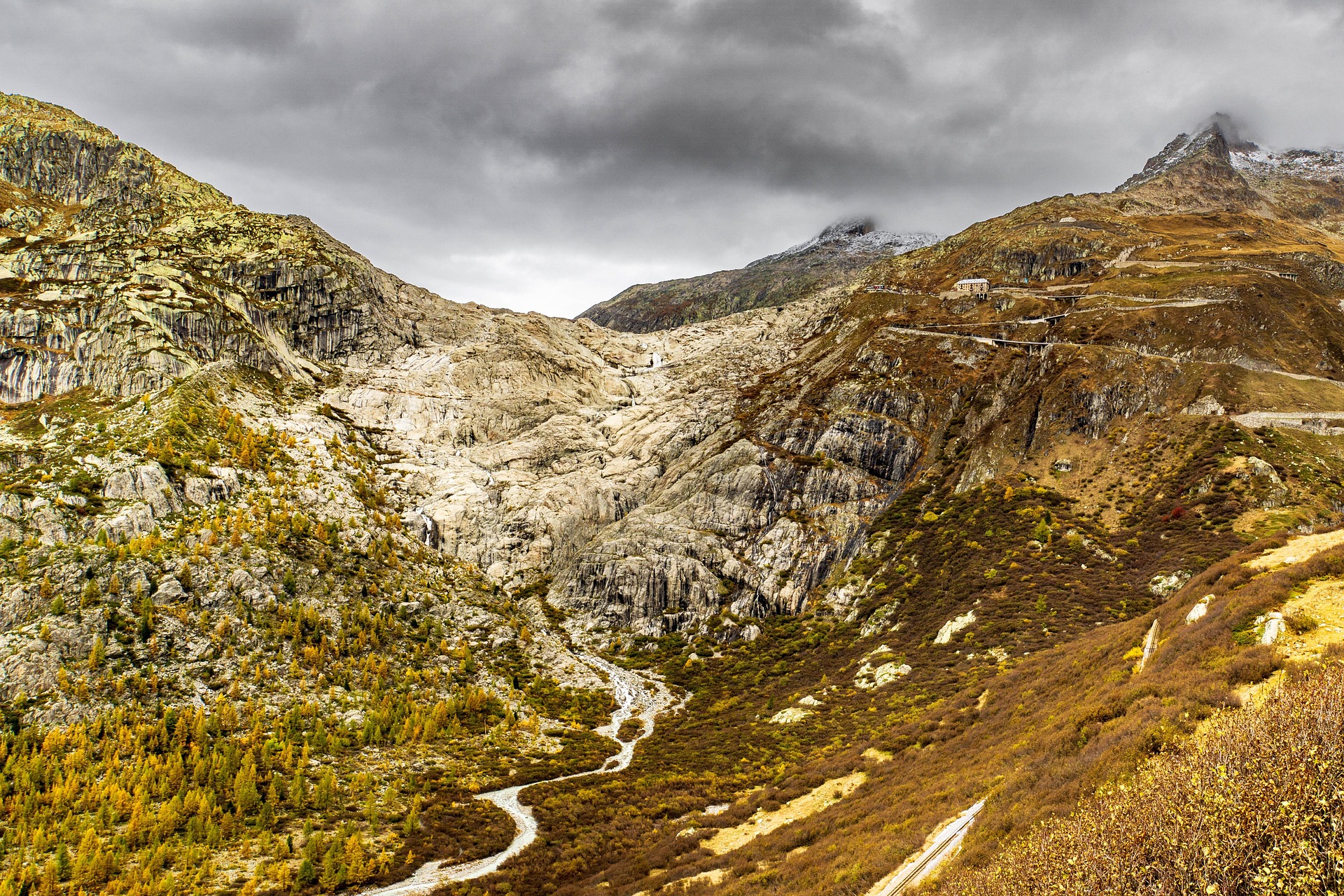
Mountains are some of the most awe-inspiring and essential natural features on Earth. Towering above surrounding landscapes, they influence not only the environment but also the lives of millions of people. Despite covering about 25% of the planet’s land surface, the importance of mountains extends far beyond their physical size. From regulating the climate and providing water to supporting rich biodiversity and offering cultural significance, mountains play a central role in maintaining the health of our planet.
🏔️ Mountains and Climate Regulation
One of the most vital roles of mountains is their influence on climate regulation. Mountain ranges act as barriers to wind and weather systems, shaping regional climates. When moist air is pushed upwards by mountain ranges, it cools and condenses, releasing moisture as rain or snow. This process not only influences local weather patterns but also ensures that surrounding areas receive the rainfall necessary for agriculture and freshwater resources. For example, areas on the windward side of mountains often receive heavy rainfall, while regions on the leeward side experience drier conditions due to the rain-shadow effect.
The altitude of mountains also contributes to the cooling of air, which impacts the temperature patterns in nearby regions. Without the physical presence of mountains, many regions would experience more extreme and unpredictable climates. In this way, mountains help moderate temperatures and create diverse microclimates that are essential for ecosystems and human livelihoods.
🌊 Mountains as Sources of Freshwater
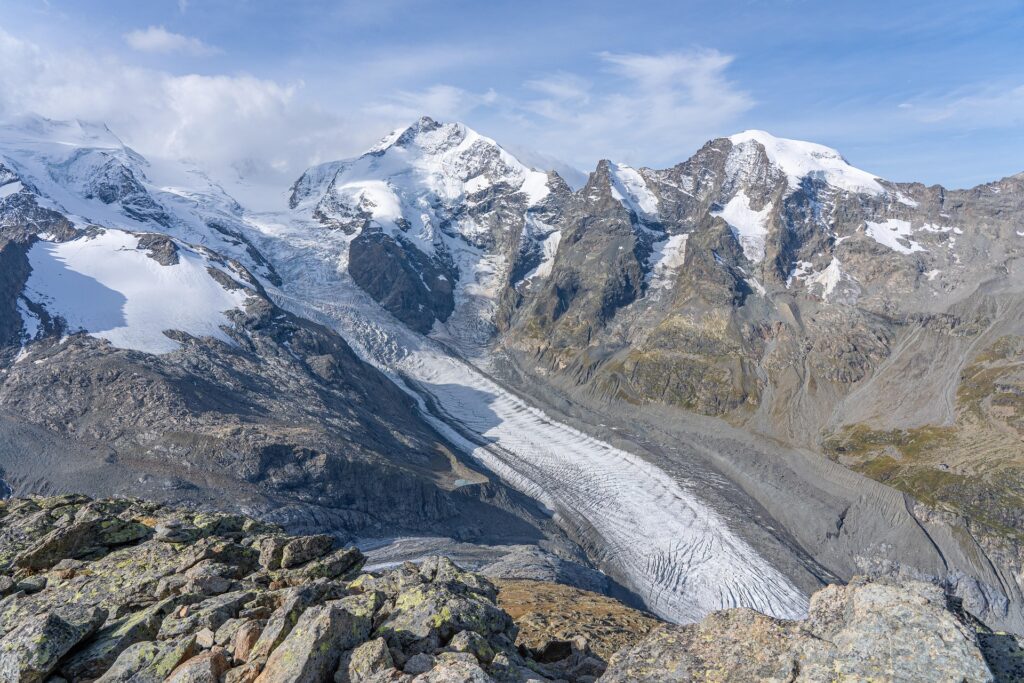
Mountains are often referred to as the “water towers” of the world because they are the source of most of the world’s major rivers. Snowpacks and glaciers store vast amounts of freshwater in the winter months and release it gradually during warmer seasons. This steady release of water ensures that rivers maintain a constant flow throughout the year, providing water for drinking, irrigation, and industry.
Billions of people rely on mountain water for their daily needs. Major rivers such as the Himalayas, the Andes, the Rockies, and the Alps feed water systems that supply freshwater to large populations. For example, the Indus River, which originates in the Himalayas, is essential for agriculture and drinking water for millions of people in Pakistan and northern India. Without the freshwater stored in mountain glaciers, many regions would face severe water shortages.
As climate change accelerates, mountains are becoming more vulnerable. Glaciers are melting at unprecedented rates, leading to unpredictable water supplies and threatening the availability of freshwater for millions. Additionally, changes in precipitation patterns, such as earlier snowmelt, can lead to floods during the spring and droughts in the summer, disrupting both ecosystems and human societies.
🐾 Biodiversity in Mountain Ecosystems
The biodiversity found in mountainous regions is truly remarkable. As you ascend a mountain, the changing altitudes create different ecosystems within relatively short distances. This variation allows for the coexistence of many plant and animal species that would not be found together in other parts of the world. The diversity of habitats—from alpine meadows and temperate forests to rocky cliffs and glaciers—supports an array of species that are uniquely adapted to these environments.
Many species found in mountain ecosystems are endemic, meaning they are found nowhere else on Earth. For example, the Andean condor is native to the Andes mountains, and the snow leopard calls the high-altitude regions of Central Asia home. These species have evolved to thrive in harsh conditions, from freezing temperatures to steep, rugged terrain.
Mountain ecosystems are also home to an abundance of plant species that are crucial to both the environment and human survival. In many mountainous areas, traditional practices of agriculture rely on the cultivation of unique crops, such as potatoes in the Andes or rice in the Himalayas. The rich plant diversity in mountains also plays a role in stabilizing soil and preventing erosion.
Unfortunately, biodiversity in mountain regions is under threat. Habitat loss due to climate change, pollution, and human activities is reducing the number of species that can survive in mountainous environments. Additionally, many species face a loss of suitable habitats as temperatures rise and snowlines retreat, forcing them to move to higher elevations or adapt to changing conditions.
⛰️ Cultural and Spiritual Significance of Mountains
Mountains are not only important for their ecological value but also hold deep cultural and spiritual significance in many societies. For millennia, mountains have been considered sacred by various cultures around the world. In Hinduism, the Himalayas are viewed as the abode of the gods, and Mount Kailash is one of the holiest sites in the world. Similarly, Mount Fuji in Japan is a symbol of beauty, strength, and spiritual power.
Throughout history, mountains have also served as places of refuge, pilgrimage, and meditation. Many civilizations have built temples, monasteries, and shrines on mountain tops, seeking closeness to the divine. In the Andes, for example, the ancient Inca civilization revered the mountains and considered them to be the home of their gods. Even today, indigenous communities continue to rely on mountains for spiritual connection and cultural practices.
In addition to their spiritual value, mountains are also hubs for tourism and recreation. Whether it’s hiking in the Alps, skiing in the Rockies, or trekking in the Himalayas, mountains attract millions of visitors each year. The economic benefits of mountain tourism are significant, providing jobs and income for local communities. However, uncontrolled tourism can also lead to environmental degradation, especially in sensitive mountain ecosystems.
🌎 The Threats Facing Mountains
Mountains today face numerous threats that jeopardize both their ecosystems and the human populations that depend on them. Climate change is one of the most significant challenges. Rising temperatures are causing glaciers to melt at an alarming rate, reducing the amount of water stored in mountain snowpacks. This is leading to unpredictable water supply and an increase in the frequency of floods and droughts.
Human activities, such as mining, deforestation, and uncontrolled tourism, are also putting pressure on mountain ecosystems. Deforestation in mountain regions not only leads to the loss of valuable species but also increases the risk of soil erosion and landslides. Mining activities can disrupt fragile ecosystems and contaminate water sources, further endangering both biodiversity and local communities.
The development of infrastructure, such as roads, hydroelectric dams, and tourist resorts, is also encroaching on mountain habitats, making it difficult for species to thrive and leading to habitat fragmentation.
🛑 The Need for Mountain Conservation
Given the many critical roles mountains play, it is essential to protect and preserve these natural wonders. Conservation efforts focused on mountains can help to:
- Protect biodiversity by establishing protected areas and reducing habitat destruction.
- Maintain water security by preserving glaciers, snowpacks, and watersheds that supply freshwater to millions of people.
- Reduce the impact of climate change by minimizing deforestation and promoting sustainable tourism practices.
- Respect cultural traditions and protect the spiritual and historical significance of mountains.
Governments, environmental organizations, and local communities must collaborate to ensure that mountains are protected for future generations. This involves not only addressing the immediate environmental threats but also promoting sustainable development that balances conservation with human needs.
Conclusion
Mountains are much more than just towering peaks—they are the lifeblood of our planet, regulating climate, providing freshwater, supporting biodiversity, and holding cultural significance. However, they face growing threats from human activities and climate change. Protecting mountains is crucial for maintaining the health of ecosystems, ensuring water security, and preserving the cultural heritage of countless communities around the world. By prioritizing mountain conservation, we can safeguard these vital landscapes and ensure that they continue to provide essential benefits for generations to come.
FAQ: Frequently Asked Questions
1. Why are mountains important for climate regulation?
Mountains influence wind and precipitation patterns, creating diverse climates and ensuring that surrounding regions receive rainfall. They also help regulate temperatures and create microclimates.
2. How do mountains provide freshwater?
Mountains store freshwater in snowpacks and glaciers, gradually releasing it throughout the year. This water feeds rivers, providing essential resources for agriculture, drinking, and hydroelectric power.
3. What is the significance of mountains for biodiversity?
Mountains provide a variety of habitats due to changes in altitude, supporting a rich diversity of plants and animals. Many species found in mountains are endemic, meaning they are found nowhere else on Earth.
4. How is climate change affecting mountains?
Rising temperatures are causing glaciers to melt, disrupting water supplies and threatening ecosystems. Many species are also forced to move to higher altitudes or face extinction due to changing conditions.
5. What threats do mountains face today?
Mountains face threats from climate change, mining, deforestation, and uncontrolled tourism, all of which disrupt ecosystems, reduce biodiversity, and harm water resources.
6. What can be done to protect mountains?
Protecting mountains requires efforts such as conservation, sustainable tourism practices, and policies that protect water resources and biodiversity. Collaboration among governments, businesses, and local communities is key.