
Nature, in its infinite complexity, provides everything that sustains life on Earth. From the lush green forests that purify our air to the oceans that regulate our climate, nature’s ecosystems are the backbone of the planet. These ecosystems, whether terrestrial or aquatic, are finely tuned to support biodiversity, regulate the environment, and provide the resources necessary for human survival.
However, despite their immense value, many of the world’s ecosystems are under threat. Human activities such as deforestation, pollution, climate change, and over-exploitation of natural resources have had devastating impacts on these vital ecosystems. As we face the growing challenges of environmental degradation, it is more important than ever to recognize the wonders of nature and take action to preserve these delicate systems.
In this article, we explore the wonders of nature, focusing on the importance of preserving the Earth’s ecosystems and the steps we can take to ensure the future of our planet. We will examine the significance of these ecosystems, how they function, and the urgent need for conservation efforts to protect them.
The Importance of Ecosystems in Supporting Life
Ecosystems are communities of living organisms interacting with their physical environment. These systems can range from a tiny pond to an expansive rainforest or a vast ocean. They are complex, interconnected networks that provide the essential services needed for life on Earth. From producing oxygen to filtering water, ecosystems perform countless functions that are crucial for the survival of plants, animals, and humans alike.
1. Biodiversity: The Web of Life
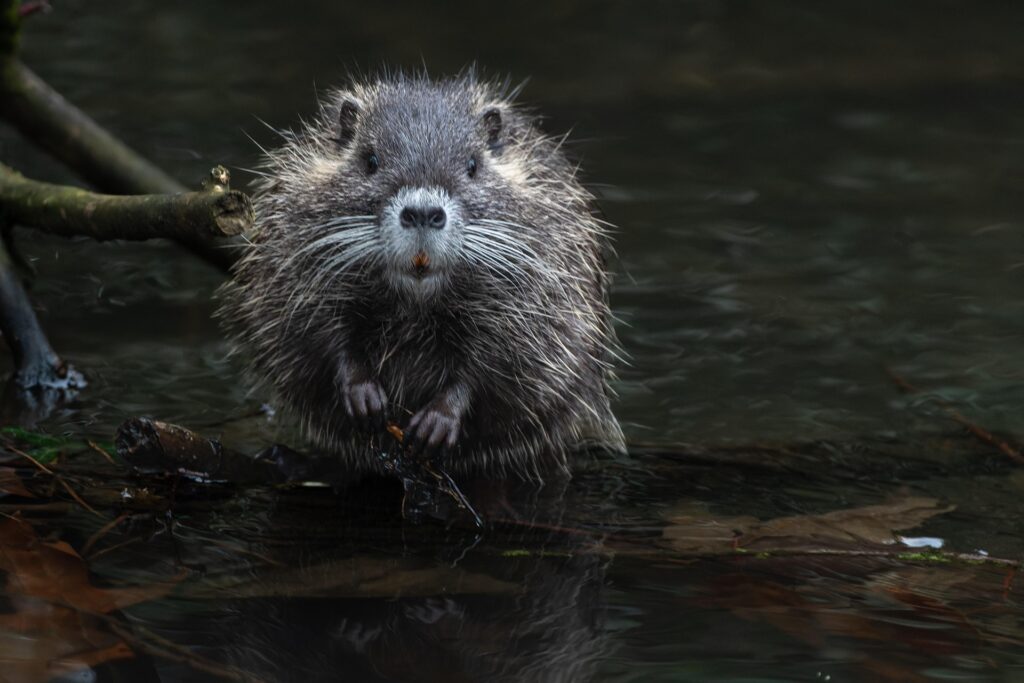
Biodiversity refers to the variety of life on Earth, including the diversity of species, ecosystems, and genetic variation. Healthy ecosystems are essential for maintaining biodiversity. Each organism, from the smallest microbe to the largest predator, plays a specific role in the ecosystem. The loss of any species can have ripple effects that disrupt the entire ecosystem, leading to a decline in ecosystem services, such as pollination, water purification, and soil fertility.
For example, bees play a vital role in pollination, which is essential for the reproduction of many plants, including crops. Without bees and other pollinators, food production would decline significantly, affecting global food security. Similarly, the loss of keystone species, such as wolves in certain ecosystems, can lead to overpopulation of prey species and imbalance in the food chain, ultimately weakening the entire ecosystem.
2. Climate Regulation: A Natural Balance
Ecosystems are critical in regulating the Earth’s climate. Forests, oceans, wetlands, and grasslands all play a role in maintaining climate stability by absorbing greenhouse gases like carbon dioxide, which would otherwise contribute to global warming. Forests, for instance, act as carbon sinks by absorbing CO2 from the atmosphere during photosynthesis. Wetlands help mitigate flooding by absorbing excess water, while oceans absorb a large portion of the excess heat caused by climate change.
Without these ecosystems, the planet’s climate would be far less stable, leading to extreme weather events, rising sea levels, and other devastating effects. For example, the destruction of mangrove forests—which act as coastal buffers—has led to increased vulnerability of coastal areas to storms and flooding.
3. Water and Soil Health: The Foundation of Life
Ecosystems also provide critical services related to water and soil health. Forests, wetlands, and grasslands play a significant role in maintaining the quality and quantity of freshwater available to humans and wildlife. Wetlands, for example, act as natural filters, cleaning pollutants from water before it enters rivers, lakes, and aquifers. Forests, with their intricate root systems, help to prevent soil erosion, ensuring that fertile soil remains intact for agricultural use and sustaining plant life.
Coral reefs, another vital ecosystem, provide shelter for marine life, protect coastlines from storms, and support local economies through fishing and tourism. They are often referred to as the “rainforests of the sea,” as they support an incredible diversity of species. However, coral reefs are particularly vulnerable to climate change, as rising ocean temperatures and acidification threaten to destroy these delicate ecosystems.
The Wonders of Specific Ecosystems
While all ecosystems are important, certain ecosystems are particularly remarkable due to their biodiversity, complexity, and the unique role they play in maintaining life on Earth. Let’s take a closer look at some of the most incredible ecosystems:
1. Rainforests: The Lungs of the Earth
Rainforests are one of the most biodiverse ecosystems on the planet. They are home to more than 50% of the world’s plant and animal species and are crucial for regulating the global climate. Tropical rainforests, such as the Amazon, are often called the “lungs of the Earth” because of their ability to absorb vast amounts of CO2 and release oxygen. Rainforests also influence rainfall patterns and help maintain water cycles, which support agriculture and human communities.
Unfortunately, rainforests are under constant threat from deforestation, logging, and agriculture. The destruction of these vital ecosystems not only contributes to climate change but also leads to the loss of countless species that depend on them for survival.
2. Oceans: The Heartbeat of the Planet
Oceans cover 70% of the Earth’s surface and are home to some of the most diverse ecosystems on the planet, including coral reefs, kelp forests, and deep-sea ecosystems. Oceans play a crucial role in regulating the global climate by absorbing heat and distributing it across the planet. They also provide food, oxygen, and carbon storage, making them indispensable to life on Earth.
However, oceans are facing severe threats from overfishing, pollution, ocean acidification, and climate change. The loss of marine biodiversity and the destruction of coral reefs are just a few examples of how these ecosystems are being compromised. Protecting marine ecosystems is essential for the continued health of the planet.
3. Wetlands: The Earth’s Natural Filters
Wetlands, including swamps, bogs, marshes, and fens, are among the most productive ecosystems on Earth. They provide numerous services, including water purification, flood control, and habitat for wildlife. Wetlands act as natural sponges, absorbing excess water during floods and releasing it slowly during dry periods, helping to regulate water availability in surrounding areas.
Wetlands also provide critical habitat for many species of birds, amphibians, and insects. The destruction of wetlands due to urbanization, agriculture, and climate change threatens both biodiversity and human communities that rely on these vital ecosystems for freshwater and protection from floods.
The Urgency of Preservation: What Can We Do?
The loss of ecosystems is one of the most pressing issues facing our planet. If we continue to destroy forests, pollute rivers, and degrade the land, we risk losing the very systems that sustain life. But it’s not too late to take action. By working together, we can preserve and restore our planet’s ecosystems.
Here are some actions that can help:
1. Support Conservation Efforts
There are numerous organizations around the world working to protect and restore ecosystems. Supporting these organizations through donations, volunteering, or advocacy can make a significant difference in the fight to preserve biodiversity.
2. Practice Sustainable Living
Adopting more sustainable lifestyles can help reduce the pressure on ecosystems. This includes reducing consumption of single-use plastics, conserving water, supporting sustainable agriculture, and reducing your carbon footprint.
3. Advocate for Stronger Environmental Policies
Policy changes at the local, national, and global levels are critical for preserving ecosystems. Advocating for policies that promote conservation, reduce pollution, and protect natural habitats can help ensure the survival of ecosystems for future generations.
4. Educate Others
Education is key to spreading awareness about the importance of ecosystems. By educating others about the value of ecosystems and the threats they face, we can build a more informed and engaged global community dedicated to preserving nature.
Conclusion: Our Responsibility to Protect Ecosystems
The wonders of nature are not just beautiful—they are vital to our survival. Ecosystems provide the air we breathe, the water we drink, the food we eat, and the climate we depend on. The loss of biodiversity and the destruction of ecosystems threatens not only the natural world but also human well-being.
Preserving and restoring the planet’s ecosystems is not just an environmental issue; it is a moral imperative. We must act now to protect these ecosystems for ourselves, for future generations, and for the countless species that share our planet. Through conservation, sustainable living, and global cooperation, we can ensure that the wonders of nature continue to thrive for generations to come.
Frequently Asked Questions (FAQ)
1. What are ecosystems, and why are they important?
Ecosystems are communities of living organisms interacting with their environment. They are important because they provide essential services such as oxygen production, water purification, food, and climate regulation.
2. How do human activities impact ecosystems?
Human activities like deforestation, pollution, and over-exploitation of natural resources have led to the degradation of ecosystems, resulting in biodiversity loss, climate change, and the destruction of natural habitats.
3. Why is biodiversity important?
Biodiversity ensures the stability and resilience of ecosystems. Each species has a role to play in maintaining the balance of the ecosystem. Loss of biodiversity can lead to the collapse of these systems and the services they provide.
4. What are the major threats to ecosystems?
The major threats to ecosystems include deforestation, pollution, climate change, overfishing, and habitat destruction. These threats disrupt the delicate balance of ecosystems and can lead to the extinction of species.
5. How can we protect ecosystems?
We can protect ecosystems by supporting conservation efforts, reducing our environmental footprint, advocating for stronger environmental policies, and educating others about the importance of preserving nature.
6. What role do wetlands play in the environment?
Wetlands play a crucial role in filtering water, preventing floods, and providing habitat for wildlife. They are also important for carbon sequestration and climate regulation.