
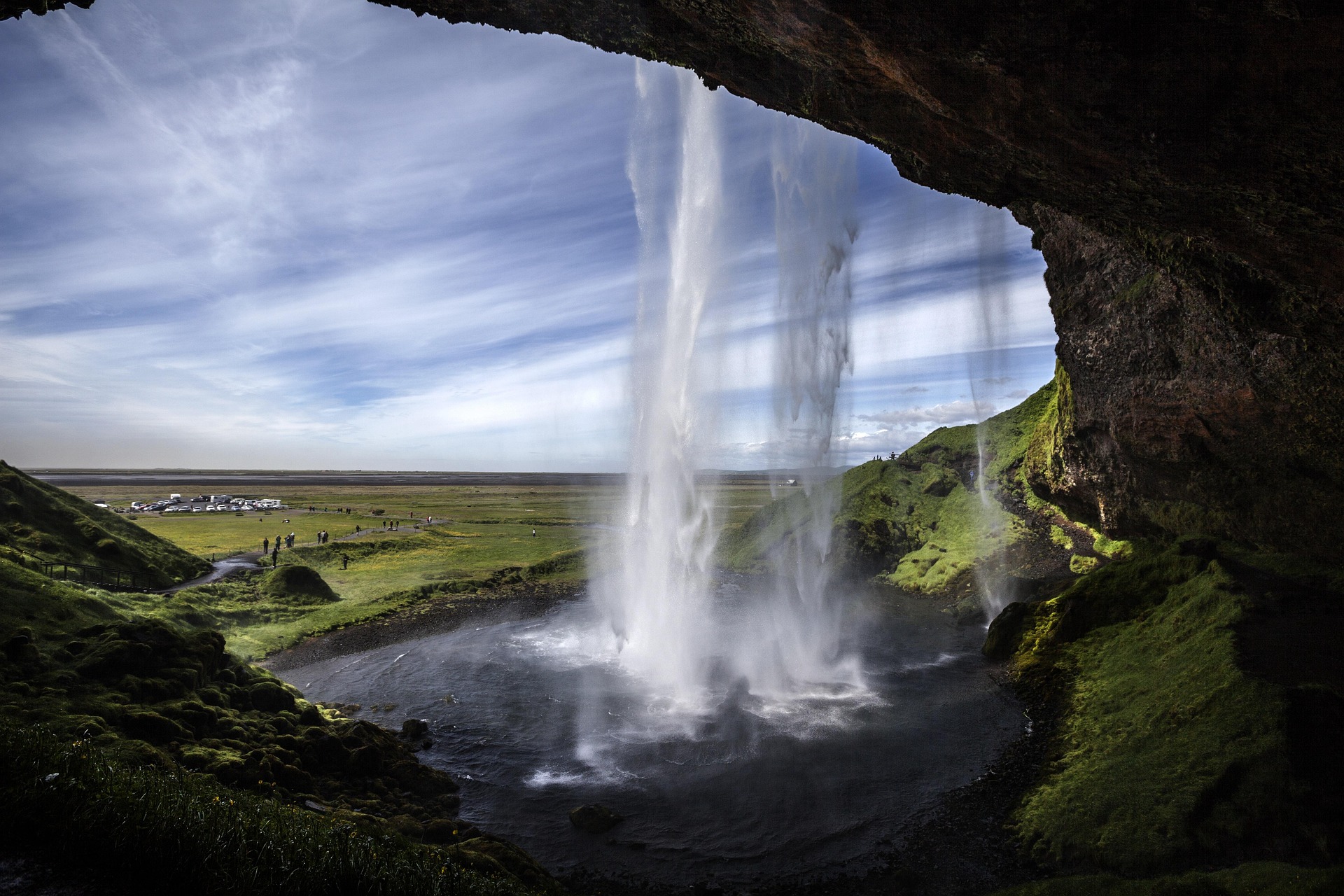
Lakes and waterfalls are some of the most stunning natural features on Earth. From the serene calm of a still lake to the dynamic power of a cascading waterfall, these water bodies offer both beauty and ecological significance. They are not only vital sources of freshwater but also provide habitats for diverse ecosystems, support local economies through tourism, and contribute to the planet’s climate regulation. However, beyond their functional importance, lakes and waterfalls hold a kind of mystical charm that has captivated the hearts and minds of people for centuries.
In this article, we explore some of the hidden and lesser-known lakes and waterfalls around the world, uncovering their beauty, mystery, and ecological importance. These natural wonders, often tucked away in remote locations or hidden deep within dense forests, are not only awe-inspiring to behold but are also vital for preserving the planet’s biodiversity and supporting life.
The Enchanting Beauty of Lakes
Lakes are bodies of water surrounded by land, and they exist in various sizes and types, ranging from small ponds to vast, deep bodies of water like the Great Lakes of North America. These water bodies are not only visually captivating but also play a crucial role in the Earth’s ecosystem. Lakes serve as habitats for numerous species, provide drinking water to surrounding communities, and help regulate local climates. But beyond their ecological importance, lakes are often surrounded by breathtaking landscapes, adding to their allure.
1. Lake Baikal, Russia – The Deepest and Oldest Lake
Lake Baikal, located in Siberia, Russia, is the world’s deepest and oldest freshwater lake. It reaches a depth of over 5,300 feet (1,637 meters), making it the deepest lake on Earth. Baikal is also estimated to be around 25 million years old, making it one of the oldest lakes in the world. It holds 20% of the world’s total freshwater, which is more than all the water in the North American Great Lakes combined.
The lake is surrounded by rugged mountains and dense forests, creating a striking contrast with the clear blue waters. Lake Baikal is also home to over 1,700 species of plants and animals, many of which cannot be found anywhere else in the world. This makes it a UNESCO World Heritage site and an essential area for biodiversity conservation.
2. Crater Lake, USA – A Lake of Tranquility and Mystery
Crater Lake, located in southern Oregon, USA, is one of the most beautiful lakes in North America. The lake was formed around 7,700 years ago when the Mount Mazama volcano erupted and collapsed, leaving a crater that gradually filled with water. The lake is known for its stunning blue color, which is caused by its exceptionally clear waters that are free of sediments and impurities.
One of the most unique aspects of Crater Lake is its extreme depth—at over 1,900 feet (580 meters), it is the deepest lake in the United States and the ninth deepest in the world. The lake’s calm, mirror-like surface creates a serene atmosphere, and the surrounding cliffs add to its dramatic beauty. With no rivers flowing into or out of the lake, its waters remain remarkably pure, making it a peaceful and pristine natural wonder.
3. Lake Titicaca, Peru/Bolivia – The Highest Navigable Lake in the World
Lake Titicaca, located on the border between Peru and Bolivia in the Andes Mountains, is the highest navigable lake in the world, sitting at an altitude of 12,507 feet (3,812 meters). It is the largest lake in South America by volume of water and surface area, and it is considered a sacred site by the indigenous people of the region.
The lake is famous for its floating islands made from reeds, which are home to the Uros people who have lived on these islands for centuries. Lake Titicaca is not only a site of breathtaking natural beauty but also a cultural treasure, with rich history and traditions. The serene waters of the lake, surrounded by the snow-capped Andes, create a mystical atmosphere that draws travelers from around the world.
The Majestic Power of Waterfalls
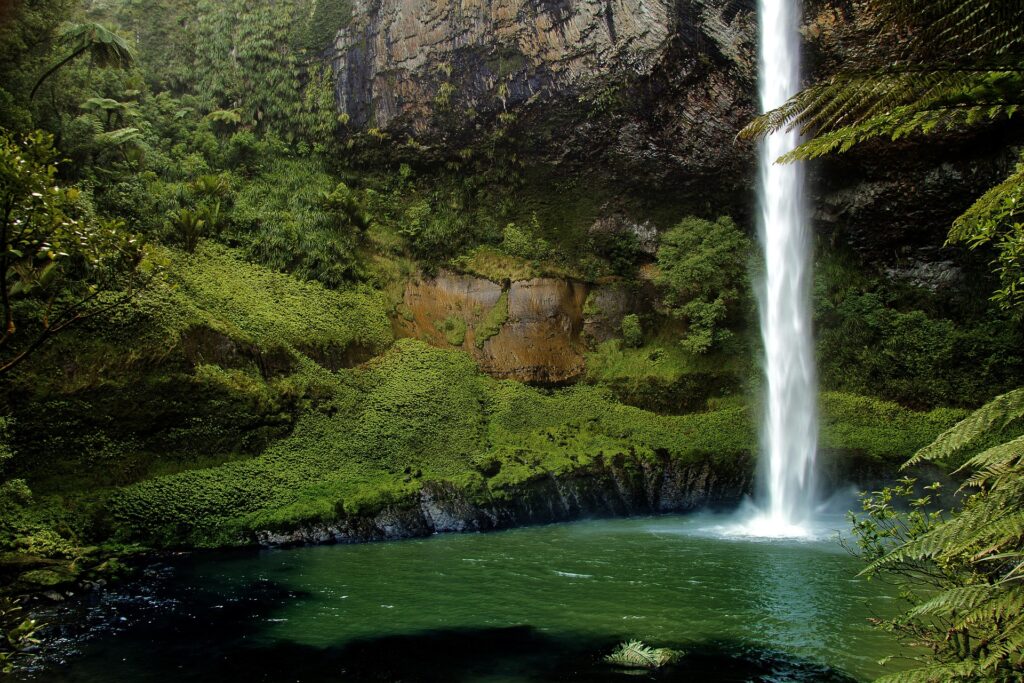
Waterfalls are another awe-inspiring feature of nature. The sheer force of water cascading over cliffs creates both a visual and auditory experience that can leave a lasting impression. Waterfalls are formed when a river or stream flows over a vertical drop or cliff, and their beauty lies in both their power and grace. Some waterfalls are famous for their size and power, while others are known for their beauty and the surrounding landscapes.
1. Angel Falls, Venezuela – The Tallest Waterfall in the World
Angel Falls, located in the Venezuelan Amazon, is the tallest waterfall in the world. At a staggering height of 3,212 feet (979 meters), Angel Falls is more than 15 times higher than Niagara Falls. The waterfall drops in a series of cascades before plunging into the surrounding rainforest below.
The waterfall is named after Jimmy Angel, an American aviator who was the first to fly over the falls in 1933. The surrounding landscape of lush, green forest, coupled with the remote location of Angel Falls, makes it a truly magical sight. Due to its location deep in the Venezuelan jungle, access to Angel Falls is difficult, and it remains one of the most isolated natural wonders in the world.
2. Iguazu Falls, Argentina/Brazil – A Powerful Display of Nature’s Might
Iguazu Falls, located on the border between Argentina and Brazil, is one of the most impressive waterfall systems in the world. The falls consist of 275 individual drops, stretching across a width of approximately 1.7 miles (2.7 kilometers). The tallest of these drops is around 269 feet (82 meters) high, and the falls are known for their sheer volume of water, making them more powerful than Niagara Falls.
The Iguazu Falls are set in the midst of a lush, tropical rainforest, and the surrounding area is home to diverse wildlife, including toucans, jaguars, and capybaras. Visitors can view the falls from both the Brazilian and Argentinean sides, with the Devil’s Throat (Garganta del Diablo) being the most famous and dramatic section, where the water plunges into a massive, mist-filled abyss.
3. Victoria Falls, Zambia/Zimbabwe – A Majestic Display of Water and Thunder
Victoria Falls, located on the border between Zambia and Zimbabwe in southern Africa, is one of the largest and most famous waterfalls in the world. Known locally as Mosi-oa-Tunya, or “The Smoke That Thunders,” the falls stretch across a width of about 5,604 feet (1,708 meters), making it the largest waterfall by width in the world.
Victoria Falls is a breathtaking sight, with a water curtain that drops as much as 355 feet (108 meters). The immense volume of water and the mist that rises from the falls create a thunderous sound that can be heard from miles away. The falls are surrounded by lush rainforest and are home to various species of animals, including elephants, hippos, and crocodiles.
Why Are Lakes and Waterfalls Important to Our Ecosystems?
Lakes and waterfalls are not just beautiful to look at—they are essential components of the Earth’s natural systems. Lakes provide habitats for countless species of fish, birds, and aquatic plants, while also playing a crucial role in the water cycle by storing freshwater. They are also used for recreational purposes, agriculture, and even as sources of hydropower.
Waterfalls, on the other hand, are important for maintaining the health of river systems. They help oxygenate the water, supporting aquatic life and ecosystems downstream. Moreover, waterfalls create microclimates, which can support unique plants and animals. In some cases, the mist from waterfalls can create rainforests in otherwise dry regions, contributing to biodiversity.
Conclusion: Preserving the Beauty of Lakes and Waterfalls
The hidden beauty of lakes and waterfalls around the world serves as a reminder of the Earth’s incredible natural wonders. These breathtaking features not only provide a sense of awe and wonder but also play vital roles in the health of our ecosystems. However, these natural treasures are increasingly at risk due to human activities such as deforestation, pollution, and climate change.
It is crucial that we continue to protect and preserve these natural wonders. By supporting conservation efforts, minimizing our environmental footprint, and advocating for sustainable practices, we can help ensure that future generations will have the opportunity to experience the hidden beauty of lakes and waterfalls around the world.
Frequently Asked Questions (FAQ)
1. Why are lakes important to the environment?
Lakes serve as habitats for a wide range of species, help regulate local weather patterns, store freshwater, and provide recreational opportunities. They also play a key role in the water cycle and maintain biodiversity in the surrounding ecosystems.
2. What makes Crater Lake so unique?
Crater Lake in Oregon, USA, is unique because it was formed in a volcanic crater and has no rivers flowing into it. This makes it one of the cleanest and clearest lakes in the world. It is also the deepest lake in the United States.
3. How are waterfalls formed?
Waterfalls are formed when a river or stream flows over a vertical drop or cliff. Over time, the constant flow of water erodes the rock beneath, creating a waterfall.
4. What is the significance of Angel Falls?
Angel Falls is the tallest waterfall in the world, with a total height of over 3,200 feet. Located in the Venezuelan Amazon, it is a remote and majestic natural wonder that captures the imagination of all who see it.
5. Can we visit all of these lakes and waterfalls?
While many of the world’s most famous lakes and waterfalls are accessible to tourists, some, like Angel Falls in Venezuela, require a bit more effort to reach due to their remote locations. It’s important to check local regulations and accessibility options before planning a visit.
6. How do waterfalls help the environment?
Waterfalls oxygenate the water, which supports aquatic life. They also contribute to creating unique microclimates in their vicinity, which can support a variety of plants and animals.