

Introduction
Lakes and waterfalls are among the most beautiful and vital features of Earth’s freshwater ecosystems. Though often seen as scenic wonders, these freshwater systems are critical to sustaining life on the planet. From providing water for drinking and agriculture to supporting complex ecosystems, lakes and waterfalls are essential for human survival and the well-being of wildlife.
This article will explore the ecological importance of lakes and waterfalls, how they contribute to Earth’s water cycle, and why these ecosystems must be protected to ensure the continued survival of both aquatic and terrestrial life.
1. The Importance of Lakes for Life on Earth
Lakes are bodies of standing freshwater that vary in size, depth, and ecological characteristics. They play a crucial role in regulating water supply, supporting biodiversity, and maintaining the balance of the global water cycle.
How Lakes Support Freshwater Supply
Lakes act as massive reservoirs that store freshwater. About 87% of Earth’s freshwater is contained in lakes, making them an essential source of drinking water, irrigation, and industrial use. In many regions, lakes are the primary source of freshwater, particularly in areas where rivers are dry or scarce.
Lakes also play a key role in filtering water. The natural processes that occur in lake ecosystems help remove pollutants and excess nutrients, improving water quality. Aquatic plants, microorganisms, and sediment traps filter contaminants from the water, making it safer for both wildlife and human use.
Lakes and Climate Regulation
Lakes also influence local and regional climates. Large lakes, like the Great Lakes in North America or Lake Baikal in Russia, store heat in the summer and release it gradually during the winter, helping to moderate temperatures in surrounding areas. This process helps reduce the severity of seasonal temperature changes, making the climate more temperate.
2. The Ecosystems of Lakes: Biodiversity Hotspots
Lakes support rich ecosystems, providing habitats for a wide variety of plant and animal species. These ecosystems are incredibly diverse, ranging from the deep, nutrient-rich waters of large lakes to the shallow, vegetation-dense areas of smaller ones. The biodiversity in lakes is essential for maintaining ecological balance and supporting life on Earth.
Aquatic Life in Lakes
Lakes provide habitat for a diverse array of life forms. From microscopic plankton to large fish species and waterfowl, lakes are home to both plants and animals that form interconnected food webs. Some of the key species found in lakes include:
- Phytoplankton: These tiny, plant-like organisms form the foundation of lake ecosystems by producing oxygen and serving as the primary food source for many aquatic species.
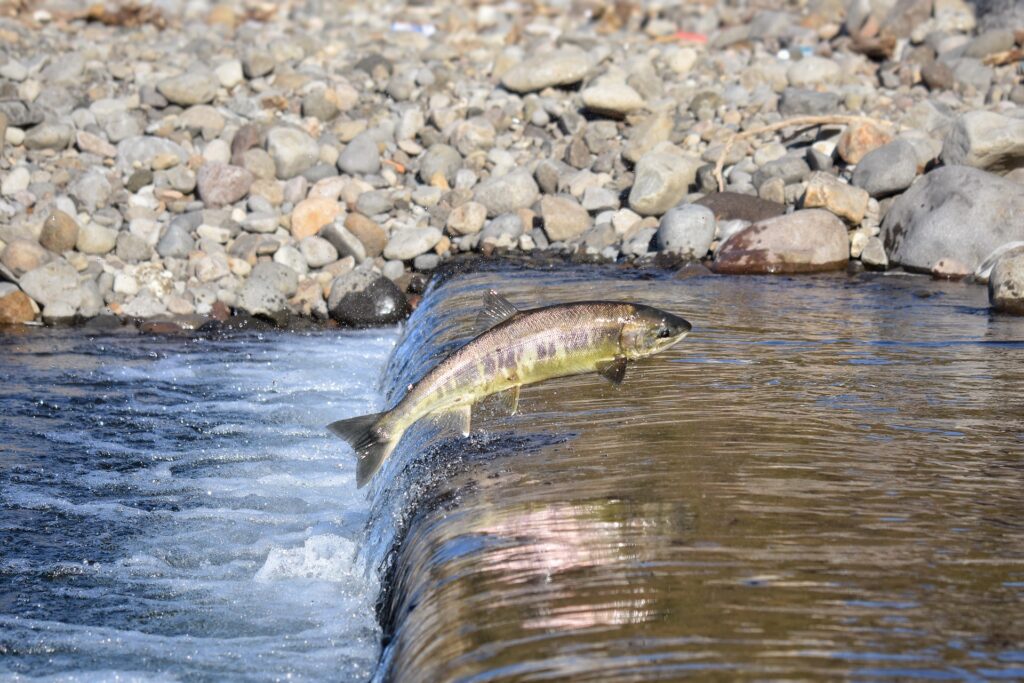
- Fish: Fish such as trout, bass, and salmon thrive in lakes. These species are not only important for ecosystem balance but also serve as food sources for humans and wildlife.
- Aquatic Plants: Plants like water lilies, cattails, and submerged vegetation provide oxygen and shelter for fish and other organisms. They also help maintain water quality by absorbing excess nutrients and preventing algae blooms.
- Amphibians: Many amphibians, such as frogs, newts, and salamanders, depend on lakes for breeding grounds and food. These species are critical indicators of water quality and ecosystem health.
Lakes are also vital for migratory birds, such as swans and ducks, which use lakes as resting and feeding grounds during their seasonal travels.
3. Waterfalls: Nature’s Powerhouses
Waterfalls are not only breathtaking natural wonders but also serve critical ecological functions. When water flows over a cliff or steep slope, it creates a waterfall that can have significant effects on the surrounding ecosystem.
Waterfalls and Their Impact on Ecosystems
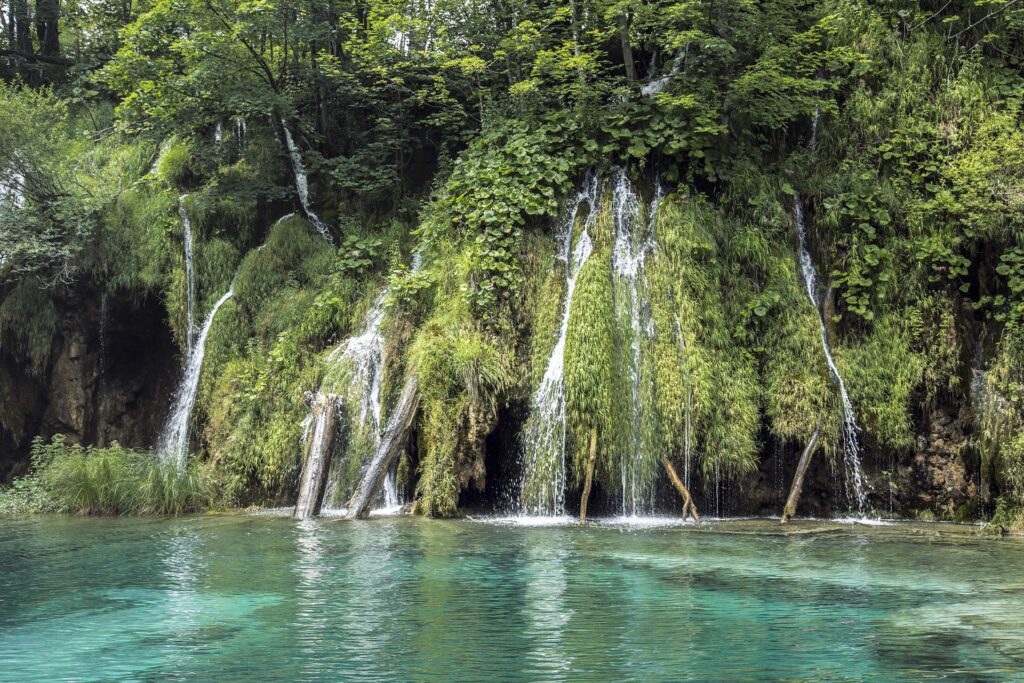
Waterfalls play an essential role in aerating water as it falls, increasing oxygen levels in the water. This process benefits fish and aquatic organisms that require high oxygen levels for survival. Waterfalls also act as natural barriers in rivers, creating distinct ecosystems on either side of the falls. These different environments support unique species that are adapted to the varying conditions.
Waterfalls contribute to the cycling of nutrients by breaking down organic matter and dispersing it into the surrounding environment. This helps maintain nutrient-rich ecosystems, benefiting plants, animals, and microorganisms in the area.
Waterfalls and Climate Regulation
Similar to lakes, waterfalls also help to regulate local climate conditions. The mist produced by waterfalls can increase humidity in the surrounding area, creating a microclimate that supports the growth of lush vegetation. In certain cases, the mist from waterfalls can even contribute to the development of unique plant species that thrive in these humid conditions.
4. Lakes and Waterfalls in the Water Cycle
Both lakes and waterfalls play important roles in Earth’s water cycle, which is responsible for distributing water across the planet and supporting life. The water cycle includes processes like evaporation, condensation, precipitation, and runoff, all of which are essential for maintaining Earth’s water balance.
The Role of Lakes in the Water Cycle
Lakes are an integral part of the water cycle because they store water and regulate its flow. Water from rivers, precipitation, and groundwater flows into lakes, where it is stored and filtered. Some of this water evaporates back into the atmosphere, contributing to cloud formation and rainfall. Lakes are also a source of surface water runoff that eventually flows back into rivers and oceans.
Waterfalls in the Water Cycle
Waterfalls are part of the runoff process, where water flows from higher altitudes, often carrying nutrients and minerals with it. The falling water at waterfalls accelerates the erosion of rocks, contributing to the reshaping of landscapes over time. Additionally, waterfalls help to move water from one part of the landscape to another, supporting the flow of rivers and streams.
Waterfalls also contribute to groundwater recharge by allowing water to infiltrate the soil through the process of infiltration. This replenishes groundwater supplies, which are essential for drinking water and irrigation.
5. The Threats Facing Lakes and Waterfalls
While lakes and waterfalls provide essential ecosystem services, they face increasing threats from human activities and climate change. These threats can disrupt the delicate balance of freshwater ecosystems and endanger both the species that depend on these habitats and the humans who rely on them.
Main Threats to Lakes and Waterfalls
- Pollution: Pollution from industrial runoff, agricultural chemicals, and untreated sewage can degrade water quality, harm aquatic species, and disrupt ecosystems.
- Invasive Species: Non-native species introduced into lakes can outcompete native species, leading to a loss of biodiversity and disrupting food webs.
- Climate Change: Climate change can alter precipitation patterns, increase water temperatures, and reduce water levels in lakes, all of which can negatively affect lake ecosystems. It also increases the frequency and severity of droughts, which can cause lakes to dry up.
- Overfishing: Overfishing depletes fish populations in lakes, disrupts food chains, and threatens the livelihoods of those who depend on fishing as a resource.
- Hydroelectric Dams: Dams built on rivers that feed lakes and waterfalls can disrupt natural water flow, block fish migration, and alter the ecological balance of the surrounding area.
6. Protecting Lakes and Waterfalls for Future Generations
Given the critical role lakes and waterfalls play in sustaining life, protecting these freshwater ecosystems is essential. Conservation efforts must focus on reducing pollution, protecting biodiversity, and addressing the impacts of climate change.
Solutions for Conservation
- Establishing Protected Areas: Designating lakes and waterfalls as protected areas or national parks can help preserve their natural beauty and ecological function.
- Sustainable Water Management: Sustainable management practices, such as regulating water extraction and reducing pollution, are essential for maintaining healthy freshwater ecosystems.
- Restoring Ecosystems: Efforts to restore degraded lakes and waterfalls, such as replanting native vegetation and controlling invasive species, can help bring these ecosystems back to health.
- Public Awareness: Educating local communities and the public about the importance of freshwater ecosystems can help garner support for conservation efforts.
Conclusion
Lakes and waterfalls are not just natural wonders—they are essential to life on Earth. These freshwater ecosystems regulate water supply, support biodiversity, aid in climate regulation, and contribute to the water cycle. By protecting these invaluable ecosystems, we ensure the continued survival of countless species, including our own.
As we face growing challenges from climate change and human activity, it is crucial that we take action to conserve and restore lakes and waterfalls, ensuring that these vital freshwater systems continue to support life on Earth for generations to come.
❓ Frequently Asked Questions (FAQ)
Why are lakes important for freshwater supply?
Lakes store large amounts of freshwater, providing drinking water, irrigation, and industrial use. They also help filter contaminants and maintain water quality.
How do waterfalls help ecosystems?
Waterfalls increase oxygen levels in water, support biodiversity, and contribute to nutrient cycling. They also help to regulate local climates by creating humid conditions.
What is the role of lakes in the water cycle?
Lakes store and filter water, contribute to evaporation and precipitation, and provide runoff that eventually flows into rivers and oceans.
How does pollution affect lakes and waterfalls?
Pollution from chemicals, plastics, and untreated waste can degrade water quality, harm aquatic life, and disrupt ecosystems in lakes and waterfalls.
Can lakes and waterfalls recover from environmental damage?
Yes, with conservation efforts like pollution reduction, ecosystem restoration, and sustainable water management, lakes and waterfalls can recover from damage.
Why are lakes and waterfalls essential for biodiversity?
Lakes and waterfalls provide habitats for a wide range of species, including fish, amphibians, plants, and migratory birds. They support complex food