
Introduction
Nature is an intricate and self-regulating system that has maintained balance on Earth for billions of years. While humans often notice only the visible elements of nature—such as forests, oceans, animals, and weather—there are countless hidden systems constantly working behind the scenes to support life. These natural processes regulate climate, recycle nutrients, purify air and water, and ensure that ecosystems remain stable over time.
The balance of nature is not accidental. It is the result of complex interactions between living organisms and their physical environment. When these systems function properly, life on Earth thrives. When they are disrupted, the consequences can be severe and far-reaching. This article explores the hidden natural systems that maintain balance on Earth and explains why protecting them is essential for the future of our planet.

1. The Concept of Balance in Nature
Balance in nature refers to the dynamic equilibrium that exists within ecosystems. Rather than being static or unchanging, natural balance is constantly adjusting in response to changes in population size, climate conditions, and available resources.
Predators control prey populations, plants regulate atmospheric gases, and decomposers recycle nutrients back into the soil. These interactions prevent any single species or process from dominating the system. When balance is maintained, ecosystems remain healthy, resilient, and capable of supporting life.
2. The Carbon Cycle: Regulating Earth’s Climate
One of the most important hidden systems that maintains balance on Earth is the carbon cycle. Carbon moves continuously between the atmosphere, oceans, soil, plants, and living organisms.
Plants absorb carbon dioxide from the air during photosynthesis and use it to produce energy. Animals consume plants, and carbon is transferred through food chains. When organisms breathe, decay, or burn, carbon returns to the atmosphere.
This natural cycle helps regulate Earth’s temperature by controlling the amount of carbon dioxide in the atmosphere. When the cycle is disrupted, excess greenhouse gases accumulate, leading to global warming and climate instability.
3. The Water Cycle: Sustaining Life Across the Planet
Water is essential for all living organisms, and the water cycle ensures its continuous movement and availability. This system includes evaporation, condensation, precipitation, infiltration, and runoff.
Oceans, rivers, lakes, and forests all play a role in the water cycle. Plants release water vapor into the atmosphere through transpiration, contributing to cloud formation and rainfall. Soil and wetlands filter water, improving its quality before it reaches groundwater and rivers.
By distributing freshwater across the planet, the water cycle supports agriculture, ecosystems, and human survival.
4. Soil Systems and Nutrient Recycling
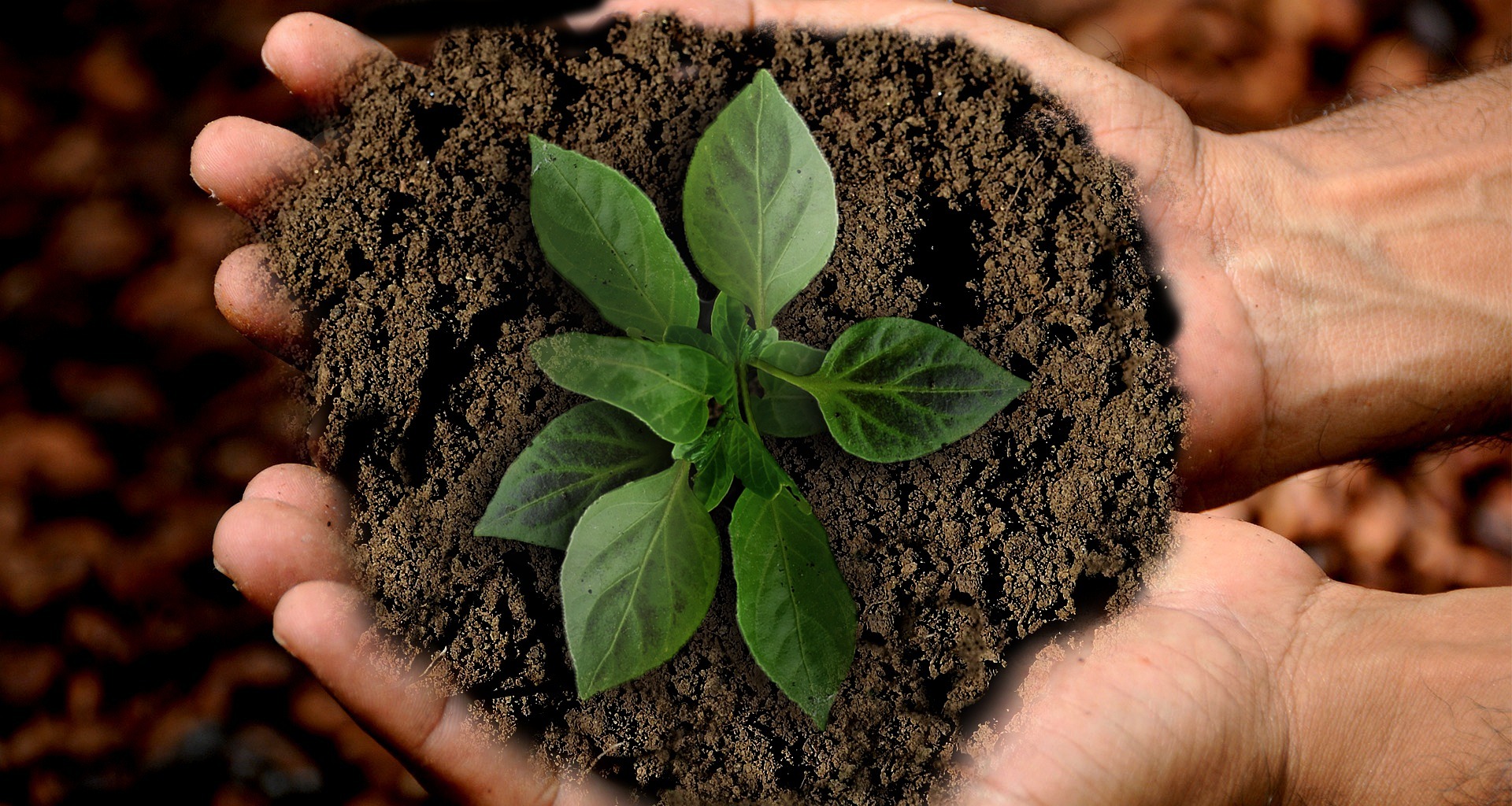
Soil may appear lifeless, but it is one of the most biologically active systems on Earth. Beneath the surface, billions of microorganisms break down organic matter and recycle nutrients such as nitrogen, phosphorus, and potassium.
Decomposers, including bacteria and fungi, return nutrients to the soil, where they can be reused by plants. This process supports plant growth, which in turn supports animals and humans.
Healthy soil systems also store carbon, retain water, and prevent erosion, making them critical for both environmental stability and food production.
5. Food Chains, Food Webs, and Population Control
Every ecosystem contains food chains and food webs that regulate population sizes and energy flow. Producers, such as plants and algae, capture energy from the sun. Herbivores consume plants, and carnivores feed on other animals.
Predators play a vital role in preventing overpopulation, which could otherwise lead to resource depletion and ecosystem collapse. Scavengers and decomposers complete the cycle by breaking down dead organisms and returning nutrients to the environment.
These interconnected feeding relationships ensure that energy is efficiently transferred and that ecosystems remain balanced.
6. The Role of Biodiversity in Ecosystem Stability
Biodiversity refers to the variety of life forms within an ecosystem. High biodiversity increases ecosystem stability because different species perform different roles.
If one species declines, others can often fill its role, preventing system failure. Diverse ecosystems are more resistant to disease, climate changes, and natural disasters.
Nature’s balance depends on biodiversity, as each organism contributes to the overall function and resilience of the system.
7. Oceans and Atmospheric Balance
Oceans cover more than 70% of Earth’s surface and play a major role in maintaining global balance. They absorb large amounts of heat and carbon dioxide, helping regulate temperature and climate.
Marine organisms, such as phytoplankton, produce a significant portion of the oxygen we breathe. Ocean currents distribute heat around the globe, influencing weather patterns and seasonal climates.
The interaction between oceans and the atmosphere is one of the most powerful natural systems supporting life on Earth.
8. Forests as Natural Regulators
Forests are among the most effective natural systems for maintaining balance. They absorb carbon dioxide, release oxygen, regulate rainfall, and protect soil and water resources.
Tree roots stabilize the ground, preventing erosion and landslides. Forest canopies moderate temperatures and create microclimates that support diverse species.
By acting as carbon sinks and water regulators, forests help stabilize both local and global ecosystems.
9. Natural Feedback Systems
Nature relies on feedback systems to maintain balance. Negative feedback loops counteract changes and restore equilibrium, while positive feedback loops amplify changes.
For example, increased plant growth can reduce carbon dioxide levels, helping cool the climate. On the other hand, melting ice reduces Earth’s reflectivity, leading to more heat absorption.
Understanding these feedback systems helps scientists predict environmental changes and highlights the importance of maintaining natural balance.
10. Human Impact on Nature’s Balance
Human activities have significantly altered many of Earth’s natural systems. Deforestation, pollution, overfishing, and fossil fuel use disrupt cycles that have operated for millions of years.
When natural balance is disturbed, ecosystems become less resilient, leading to climate change, biodiversity loss, and resource shortages.
Recognizing human impact is the first step toward restoring harmony between human society and the natural world.
11. Protecting the Systems That Support Life
Protecting Earth’s natural balance requires global cooperation and individual responsibility. Conservation, sustainable resource management, renewable energy, and environmental education are key solutions.
By preserving ecosystems and reducing harmful activities, humans can support the natural systems that make life possible.

Conclusion
Nature maintains balance on Earth through a network of hidden, interconnected systems that support life. From climate regulation and water distribution to nutrient recycling and population control, these processes operate continuously and silently.
Human survival depends on the health of these systems. Protecting nature is not only an environmental concern—it is essential for the future of life on Earth.
❓ Frequently Asked Questions (FAQ)
What does “balance in nature” mean?
Balance in nature refers to the way natural systems regulate themselves through interactions between living organisms and their environment. This balance ensures that ecosystems remain stable, productive, and capable of supporting life.
Why are hidden natural systems important?
Hidden systems such as the carbon cycle, water cycle, and nutrient recycling operate continuously in the background. Without them, air, water, soil, and climate would become unstable, making life on Earth impossible.
How does the carbon cycle support life on Earth?
The carbon cycle regulates the amount of carbon dioxide in the atmosphere by moving carbon between plants, animals, oceans, and soil. This helps maintain Earth’s temperature and supports plant growth.
What role does the water cycle play in maintaining balance?
The water cycle distributes freshwater across the planet, supports ecosystems, regulates climate, and ensures that plants, animals, and humans have access to water.
Why is biodiversity important for ecosystem stability?
Biodiversity allows ecosystems to adapt to changes and recover from disturbances. A diverse ecosystem is more resilient to disease, climate change, and environmental stress.
How do forests help maintain Earth’s balance?
Forests regulate climate, absorb carbon dioxide, influence rainfall, protect soil, and support biodiversity, making them essential natural regulators.
What happens when natural balance is disrupted?
Disruptions can lead to climate change, species extinction, soil degradation, water shortages, and ecosystem collapse.
How do oceans contribute to environmental balance?
Oceans regulate global temperatures, absorb carbon dioxide, produce oxygen, and influence weather patterns through ocean currents.
Can nature restore its balance after damage?
In many cases, yes. With reduced human pressure and proper conservation efforts, ecosystems can recover over time.
What can individuals do to help protect nature’s balance?
Individuals can reduce waste, conserve water and energy, support sustainable products, protect wildlife, and raise environmental awareness.