
Introduction
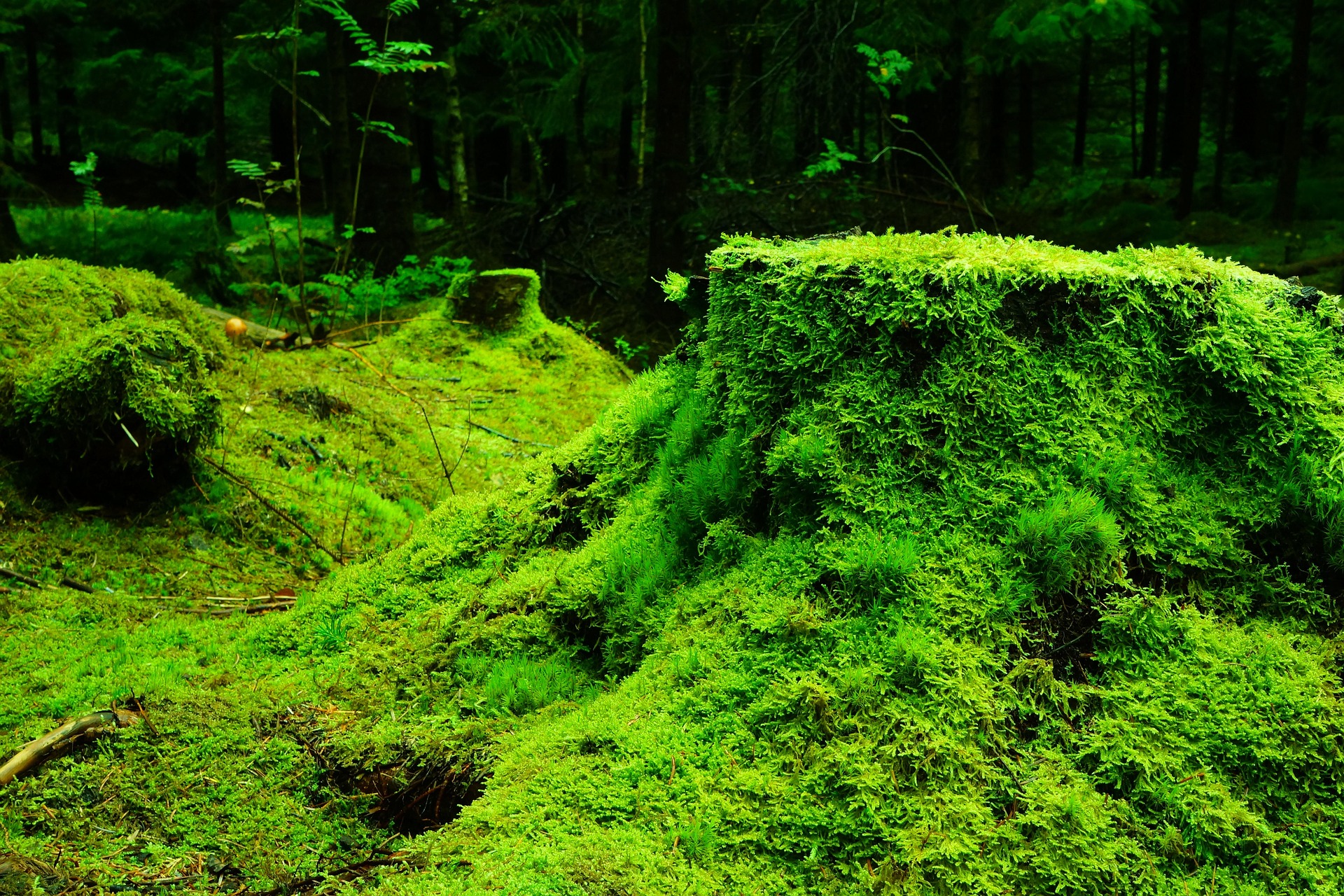
Forests are among the most valuable and complex natural ecosystems on Earth. Far more than collections of trees, forests are living systems that support life on a global scale. They cover nearly one-third of the planet’s land surface and are found on every continent except Antarctica. From dense tropical rainforests near the equator to vast boreal forests stretching across northern regions, forests play a crucial role in maintaining Earth’s environmental balance.
Forests regulate the global climate, store enormous amounts of carbon, protect freshwater resources, and provide habitat for countless species. They also support human societies economically, culturally, and spiritually. Despite their immense importance, forests are disappearing at an alarming rate due to deforestation, climate change, and unsustainable land use.
This long-form guide explores what forests are, how they function, the different types of forests around the world, and why protecting them is essential for the future of life on Earth.
1. What Are Forests and Why Are They Important?
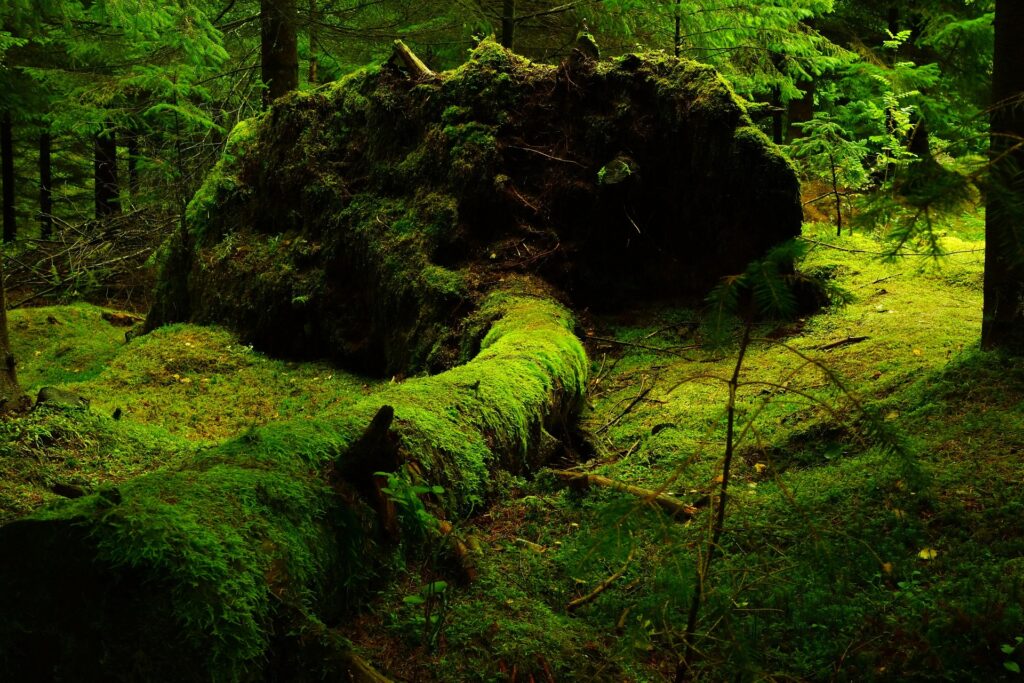
Forests are complex ecosystems dominated by trees but supported by a wide variety of plants, animals, fungi, and microorganisms. These components interact in intricate ways to form a self-sustaining system where energy flows and nutrients are constantly recycled.
Forests are important because they:
- Regulate Earth’s climate
- Absorb and store carbon dioxide
- Produce oxygen through photosynthesis
- Protect soil from erosion
- Maintain the water cycle
- Provide habitat for wildlife
- Supply food, medicine, and materials for humans
Without forests, the planet’s environmental systems would become unstable, leading to severe consequences for both nature and human civilization.
2. Types of Forests Around the World
Forests vary widely depending on climate, location, and biological diversity. Each type of forest plays a unique and irreplaceable role in the global ecosystem.
🌴 Tropical Forests
Tropical forests are located near the equator and are characterized by warm temperatures and high rainfall throughout the year. These forests are the most biologically diverse ecosystems on Earth, hosting more than half of all known terrestrial species.
Tropical forests are vital because they:
- Store massive amounts of carbon
- Regulate global weather patterns
- Produce oxygen and absorb carbon dioxide
- Provide medicinal plants and food sources
- Support indigenous communities
Despite their importance, tropical forests are among the most threatened ecosystems due to agriculture, logging, and mining.
🌳 Temperate Forests
Temperate forests are found in regions with moderate climates and distinct seasons. They contain both deciduous trees, which shed their leaves in autumn, and evergreen species.
These forests:
- Improve soil fertility
- Regulate water flow and rainfall
- Support a wide range of plant and animal species
- Provide timber and other natural resources
Temperate forests have historically been heavily impacted by human settlement, making conservation efforts especially important.
❄️ Boreal Forests (Taiga)
Boreal forests stretch across northern regions of North America, Europe, and Asia. They experience long, cold winters and short summers and are dominated by coniferous trees such as pine, spruce, and fir.
Although less diverse than tropical forests, boreal forests are critically important because they:
- Store enormous amounts of carbon in trees and soil
- Regulate Earth’s climate
- Influence global temperature patterns
The loss of boreal forests could significantly accelerate climate change.
3. Forests and Climate Regulation
Forests act as natural climate regulators. Through photosynthesis, trees absorb carbon dioxide from the atmosphere and store it in their trunks, branches, leaves, roots, and surrounding soil. This process helps reduce the concentration of greenhouse gases that cause global warming.
Forests also influence:
- Local and global temperatures
- Rainfall distribution
- Wind patterns and atmospheric circulation
When forests are destroyed, stored carbon is released back into the atmosphere, intensifying climate change and increasing the frequency of extreme weather events.
4. Forests and the Global Water Cycle
Forests play a fundamental role in the global water cycle. Tree roots absorb water from the soil, while leaves release moisture into the atmosphere through a process known as transpiration.
This process:
- Helps form clouds and rainfall
- Reduces the risk of floods
- Prevents soil erosion
- Maintains clean and stable freshwater supplies
- Regulates river flow
Many of the world’s major rivers originate in forested regions, making forests essential for water security.
5. Forest Biodiversity and Wildlife
Forests are home to more than 80% of terrestrial biodiversity. They support an incredible variety of life forms, from large mammals and birds to insects, fungi, and microscopic organisms.
Forest biodiversity ensures:
- Ecosystem stability
- Natural pest control
- Pollination of plants
- Nutrient recycling
- Resistance to environmental changes
When forests are destroyed, species lose their habitats, leading to rapid extinction and ecological imbalance.
6. Forests and Human Life
Human societies have depended on forests for thousands of years. Even today, forests remain essential to our survival and well-being.
Forests provide humans with:
- Oxygen and clean air
- Food such as fruits, nuts, and honey
- Medicinal plants used in modern and traditional medicine
- Timber and raw materials
- Employment and income
- Cultural, spiritual, and recreational value
Millions of people, particularly indigenous communities, rely directly on forests for their livelihoods and cultural identity.
7. Threats Facing the World’s Forests
Despite their value, forests are under severe threat from human activities and environmental changes. Major threats include:
- Deforestation for agriculture and livestock
- Illegal logging
- Urban expansion and infrastructure development
- Forest fires
- Climate change
Every year, millions of hectares of forest are lost, weakening Earth’s natural systems and accelerating environmental crises.
8. Why Protecting Forests Matters for the Future
Protecting forests is essential for ensuring a sustainable future for the planet. Forest conservation helps:
- Slow climate change
- Preserve biodiversity
- Secure clean water supplies
- Maintain ecological balance
- Support sustainable development
Effective solutions include reforestation, sustainable forest management, conservation laws, and increased public awareness.
Conclusion
Forests are far more than collections of trees. They are living, interconnected systems that regulate climate, protect water resources, and support life on Earth. The loss of forests threatens the stability of our planet and the survival of future generations. Protecting forests is not only an environmental responsibility—it is a global necessity.
❓ Frequently Asked Questions (FAQ)
Why are forests important for the environment?
Forests regulate climate, store carbon, protect water resources, and support biodiversity.
How do forests help fight climate change?
They absorb carbon dioxide and store it, reducing greenhouse gas levels.
What happens when forests are destroyed?
Deforestation leads to climate instability, biodiversity loss, soil erosion, and water shortages.
Are forests important for humans?
Yes. Humans depend on forests for oxygen, food, medicine, materials, and livelihoods.
Which forest type is the most important?
All forest types are important because each plays a unique role in Earth’s ecosystem.
Can forests recover after deforestation?
With proper conservation and reforestation efforts, forests can regenerate over time.
How can individuals help protect forests?
By reducing paper use, supporting sustainable products, and raising environmental awareness.
Do forests affect rainfall?
Yes. Forests influence rainfall patterns through the water cycle and transpiration.
Why is forest biodiversity important?
Biodiversity strengthens ecosystems and helps them adapt to environmental changes.
Is forest conservation a global responsibility?
Absolutely. Forests affect the entire planet, not just the countries where they exist.