
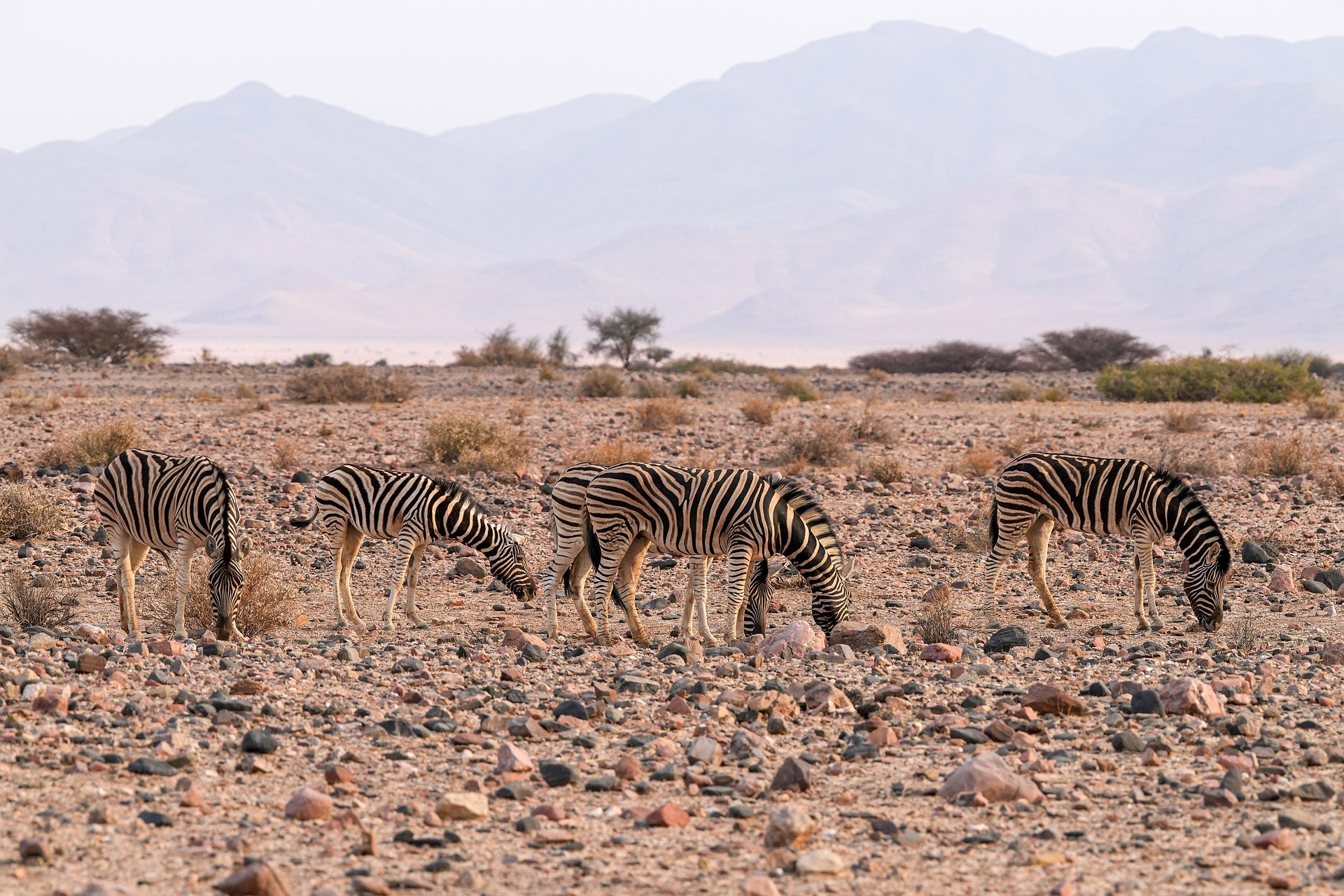
Deserts are often perceived as barren wastelands—vast expanses of sand and rock devoid of life. However, these regions are far from lifeless. Deserts are among the most resilient and fascinating ecosystems on Earth, home to a remarkable array of life forms that have adapted in extraordinary ways to survive in some of the most extreme conditions on the planet. Covering about one-third of Earth’s land surface, deserts play a vital role in shaping the planet’s climate and supporting diverse species that have learned to thrive despite the challenges they face.
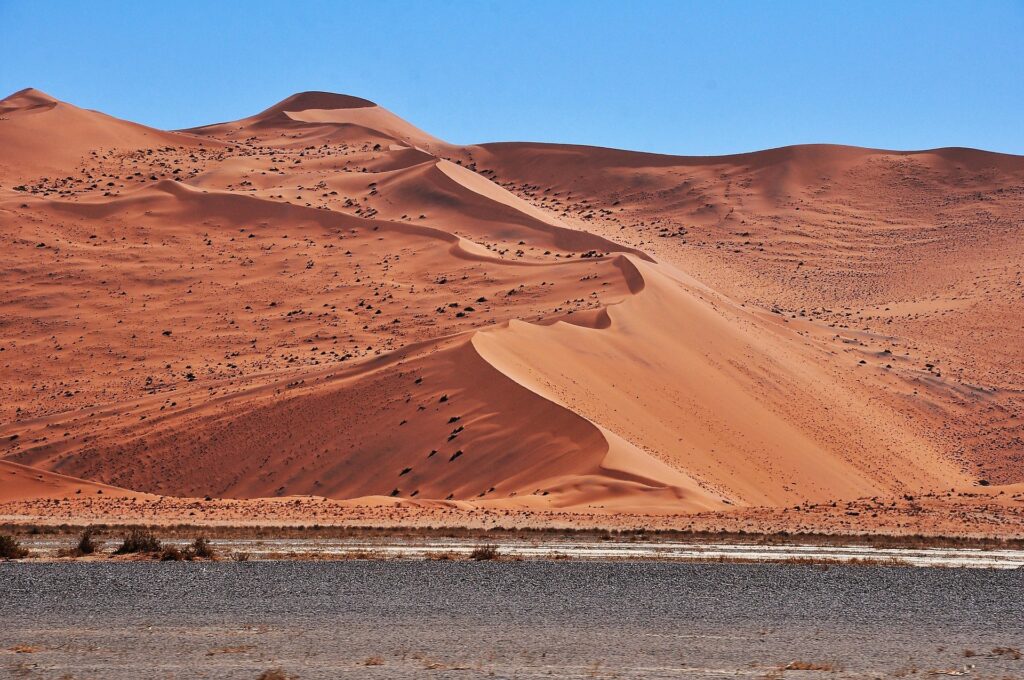
🌵 Deserts: More Than Just Barren Land
Deserts are characterized by low rainfall, extreme temperatures, and limited water sources. These environments can experience scorching heat during the day and freezing cold at night, creating a dramatic range of temperatures that can make survival difficult. Despite these challenges, deserts are far from empty. In fact, many deserts are teeming with life, much of which is highly specialized to survive in these harsh conditions.
🦎 Life in the Desert: Adaptations for Survival
Life in the desert is shaped by the need to conserve water and cope with extreme temperatures. Plants and animals in desert ecosystems have developed fascinating adaptations that allow them to endure such severe environments.
- Plants: Desert plants often have deep root systems that reach underground water sources. Some plants, like the saguaro cactus, store water in their tissues, allowing them to survive long periods of drought. Many desert plants have waxy coatings on their leaves to reduce water loss, while others, like the creosote bush, have adapted to release chemicals that repel herbivores.
- Animals: Desert animals have also evolved remarkable survival strategies. Many desert species, such as kangaroo rats and fennec foxes, are nocturnal, meaning they are active at night when temperatures are cooler. Others, like the camel, have developed physical features, such as humps that store fat, which can be converted into water when needed. Some desert animals, like the thorny devil lizard, can collect and drink water from dew that forms on their skin at night.
- Survival Strategies: Many desert organisms have evolved extreme water conservation techniques. For example, some species can survive without drinking water for extended periods by relying on metabolic water—the moisture produced during digestion. Other animals, such as the desert tortoise, can store water in their bodies for months.
🌞 Deserts and Earth’s Climate System
Deserts play an important role in regulating Earth’s climate system. Their vast, barren landscapes affect atmospheric circulation by reflecting a significant amount of solar radiation back into space. This reflection helps regulate global temperature patterns and contributes to the planet’s overall energy balance.
In addition to their role in climate regulation, desert soils are rich in minerals and nutrients that contribute to important ecological cycles. Desert microorganisms, such as bacteria and fungi, play a vital role in nutrient recycling. When these organisms break down organic matter, they return valuable nutrients to the soil, allowing desert plants to flourish despite the harsh conditions.
🏜️ Human Life in Deserts
Although deserts may seem inhospitable to humans, many cultures have adapted to life in these regions for thousands of years. Indigenous peoples have developed unique survival strategies to thrive in desert environments. Nomadic Bedouins, for instance, have learned to navigate vast deserts, using the stars and other natural markers as guides.
Historically, desert dwellers have relied on their knowledge of water sources, such as wells and oases, to survive. Architecture in desert regions, such as traditional mudbrick houses, is designed to keep homes cool during the scorching day and warm during the freezing nights. In many desert cultures, water conservation practices are deeply embedded in daily life, and rituals surrounding water use are essential for survival.
🌍 Threats to Desert Ecosystems
Despite their ability to endure harsh conditions, desert ecosystems are increasingly vulnerable to human impact. Climate change is intensifying desert conditions, causing more frequent and severe droughts. The increased frequency of extreme heat events and rising temperatures are making it even harder for desert species to survive.
Another significant threat is desertification, the process by which fertile land becomes desert-like due to various factors, including overgrazing, deforestation, and unsustainable agriculture. Desertification reduces the availability of arable land and leads to the loss of biodiversity, making it harder for both humans and wildlife to thrive.
In some regions, urbanization is encroaching on desert landscapes, leading to the destruction of natural habitats and the disruption of traditional ways of life. The extraction of water from underground aquifers for agriculture and industry is depleting these vital resources, making desert environments even more fragile.
🛑 Protecting Deserts and Their Ecosystems
Protecting desert environments is essential, as they are more sensitive to disturbance than many other ecosystems. Desert ecosystems are fragile and often take decades or centuries to recover from damage. Therefore, it’s crucial to implement measures that can help preserve these unique and valuable habitats.
- Sustainable Land Management: It is important to implement practices that reduce desertification, such as reforestation, sustainable farming, and water conservation techniques. Using techniques like rainwater harvesting can help restore and protect water sources in desert regions.
- Protection of Biodiversity: Efforts to conserve desert species and their habitats are crucial. Establishing protected areas and wildlife reserves can help safeguard desert ecosystems from human encroachment. Protecting desert wildlife, like the addax antelope and the desert tortoise, is vital to maintaining biodiversity in these fragile regions.
- Combating Climate Change: Addressing climate change is one of the most important steps in protecting desert ecosystems. Reducing greenhouse gas emissions, promoting renewable energy, and supporting sustainable practices can help prevent further damage to desert environments.
- Raising Awareness: Educating people about the importance of desert ecosystems and the threats they face is essential for inspiring conservation efforts. Promoting sustainable tourism in desert regions can also help raise awareness while supporting local economies.
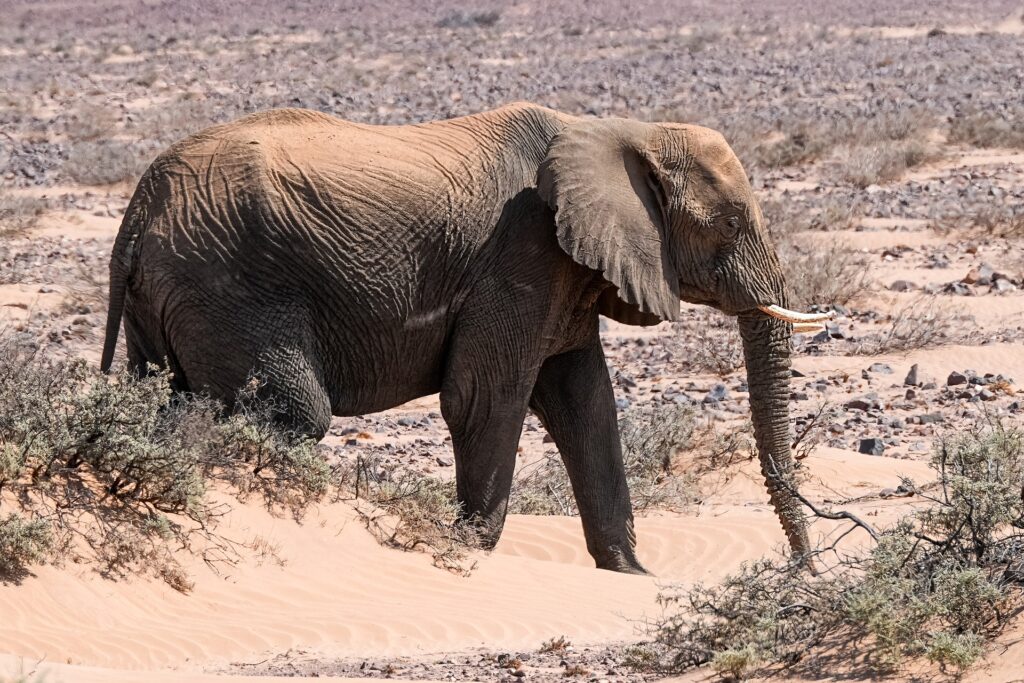
🏜️ Conclusion
Deserts may seem like harsh, lifeless landscapes, but they are home to extraordinary life forms that have adapted to survive under extreme conditions. These ecosystems play a crucial role in Earth’s climate system, support diverse species, and have influenced human culture for thousands of years. However, deserts are facing serious threats from climate change, desertification, and human development. Protecting desert environments is essential to preserving the delicate balance of life in these regions and ensuring the survival of both humans and wildlife. By embracing sustainable practices and raising awareness, we can help ensure that deserts remain vibrant and resilient for generations to come.
FAQ: Frequently Asked Questions
1. What defines a desert?
A desert is characterized by low rainfall, extreme temperatures, and limited water resources. Deserts cover about one-third of Earth’s land surface.
2. How do desert plants and animals survive?
Desert plants and animals have developed specialized adaptations, such as deep roots, water storage, and nocturnal behavior, to survive with limited water and extreme temperatures.
3. What role do deserts play in Earth’s climate system?
Deserts influence atmospheric circulation, reflect solar radiation, and contribute to nutrient cycles through their soils and microorganisms, helping to regulate global temperatures.
4. What are the biggest threats to desert ecosystems?
Deserts face threats from climate change, desertification, overgrazing, unsustainable agriculture, and urbanization, all of which damage the fragile desert environment.
5. How can we protect deserts?
Protecting deserts requires sustainable land management, protecting biodiversity, combating climate change, and raising awareness about the importance of desert ecosystems.