Here is your long, detailed, high-quality article on How to Maintain Your Home Appliances, written in the same style, tone, and structure as your ideal sample — including sections, steps, tips, and a full FAQ.
How to Maintain Your Home Appliances
Home appliances make everyday life easier, but they also require proper care to perform efficiently and last longer. From refrigerators and washing machines to ovens and dishwashers, regular maintenance prevents breakdowns, reduces energy consumption, and saves you money on repairs and replacements.
This comprehensive guide walks you through the essential maintenance practices for major home appliances, common issues to watch for, safety tips, and long-term care strategies.
1. Why Appliance Maintenance Matters
Maintaining your appliances goes beyond keeping them clean. It ensures:
- Better performance
- Lower energy bills
- Longer lifespan
- Fewer breakdowns
- Safer operation
Small maintenance steps can prevent costly repairs in the future.
2. Refrigerator Maintenance
Your refrigerator runs 24/7, so it needs consistent care.
✔ Essential Maintenance Tips
- Clean condenser coils every 3–6 months to improve efficiency.
- Check door seals to ensure they close tightly. Replace cracked or loose seals.
- Set the right temperature:
- Fridge: 37–40°F (3–4°C)
- Freezer: 0°F (-18°C)
- Defrost manually if your model isn’t frost-free.
- Avoid overloading, which restricts airflow and strains the motor.
- Clean spills immediately to prevent odors and bacteria.
3. Washing Machine Maintenance
Whether you have a top-load or front-load machine, proper maintenance prevents mold, leaks, and mechanical issues.
✔ Key Maintenance Practices
- Clean the drum monthly with vinegar or a washer-cleaning tablet.
- Inspect hoses for cracks and replace them every 3–5 years.
- Leave the door open after use to prevent mold growth.
- Avoid overloading the machine, which strains the motor and bearings.
- Clean the detergent drawer regularly.
- Check the filter in front-load units and remove lint or debris.
4. Dryer Maintenance
Dryers are prone to lint buildup, which can become a fire hazard.
✔ Dryer Maintenance Steps
- Clean the lint trap after every use.
- Deep clean the vent and ductwork every 6–12 months.
- Avoid overloading, which reduces airflow.
- Check the drum seal to ensure heat stays inside.
- Inspect the vent hose for kinks or blockages.
Clean ducts help the dryer work faster and reduce energy use.
5. Dishwasher Maintenance
A dishwasher works best when its internal parts stay clean.
✔ Maintenance Tips
- Clean the filter weekly to remove trapped food.
- Run a dishwasher-cleaning cycle monthly with vinegar or cleaner.
- Check spray arms for clogs and rinse with warm water.
- Use the right detergent to avoid buildup.
- Wipe door seals to prevent mold.
- Check for leaks under and around the appliance.
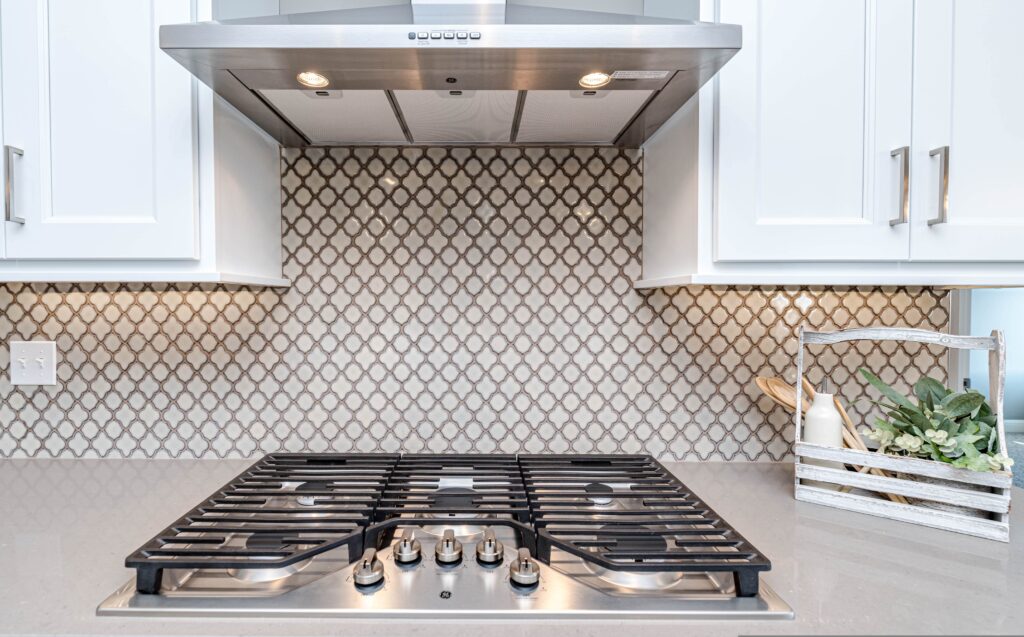
6. Oven and Stove Maintenance
Whether gas or electric, the oven needs regular cleaning to run properly.
✔ How to Maintain
- Clean spills immediately before they harden.
- Use the self-cleaning function only when needed.
- Check gas lines for leaks (if you smell gas, shut off immediately).
- Clean burner caps and wipe the stovetop after cooking.
- Inspect heating elements for signs of damage.
- Ensure proper ventilation by cleaning the range hood filter.
7. Microwave Maintenance
Microwaves get dirty quickly but are easy to maintain.
✔ What to Do
- Wipe the interior after each use.
- Steam-clean with lemon for tough stains.
- Check the turntable alignment.
- Inspect the door seal and hinges.
- Avoid running the microwave empty, which can damage the magnetron.
8. HVAC System Maintenance (Heating & Cooling)
Your home’s HVAC system has some of the highest energy usage.
✔ HVAC Care Tips
- Replace filters every 1–3 months.
- Clean vents and registers from dust.
- Schedule professional service yearly.
- Keep the outdoor unit clear of leaves and debris.
- Check for unusual noises or hot/cold spots in the home.
9. Water Heater Maintenance
Proper care improves efficiency and prevents tank damage.
✔ Maintenance Steps
- Flush the tank yearly to remove sediment buildup.
- Insulate the heater to reduce energy use.
- Check the pressure relief valve for proper function.
- Inspect for leaks around the base.
10. Small Appliances Care
Even smaller devices need routine maintenance.
✔ Examples
- Toasters: Empty crumb trays weekly.
- Coffee makers: Run vinegar through the machine monthly.
- Blenders: Clean blades immediately after use.
- Irons: Use distilled water and clean the steam vents.
11. Safety Tips for Appliance Maintenance
- Always unplug appliances before cleaning.
- Avoid using too much water near electrical parts.
- Follow the manufacturer’s manual.
- Schedule professional servicing when needed.
- Replace parts only with approved components.
❓ Frequently Asked Questions (FAQ)
1. How often should I maintain my home appliances?
Most appliances benefit from monthly cleaning and yearly professional inspections.
2. What appliance needs the most maintenance?
The refrigerator, washing machine, and dryer typically require the most frequent care.
3. Can maintenance really extend the lifespan of appliances?
Yes — proper maintenance can double the lifespan of many major appliances.
4. How do I know if an appliance needs replacement instead of repair?
If repairs cost more than 50% of the appliance’s value or issues are recurring, consider replacement.
5. Are natural cleaning solutions safe for appliances?
Generally yes, especially vinegar and baking soda, but always check your user manual first.