
Introduction
Oceans are vast, mysterious, and incredibly powerful. They cover about 71% of the Earth’s surface, making them one of the most important and dynamic parts of the planet. Oceans regulate climate, support biodiversity, provide oxygen, and play a critical role in the water and carbon cycles. Yet, despite their significance, the role of oceans in sustaining life on Earth is often overlooked.
From the largest marine ecosystems, such as coral reefs and deep-sea trenches, to the vast open ocean that connects all continents, the seas are central to life as we know it. This article explores why oceans are essential for regulating the global climate, sustaining biodiversity, and producing oxygen, highlighting their critical contributions to human survival.
1. Oceans and Climate Regulation
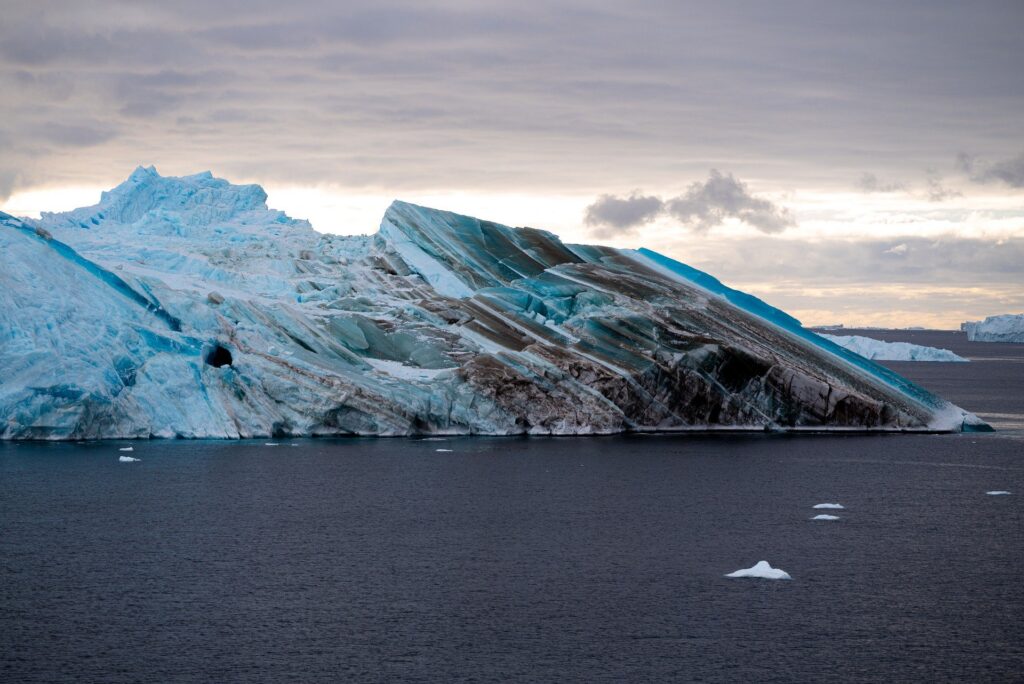
Oceans are Earth’s largest heat reservoir and play a fundamental role in regulating the planet’s climate. They absorb, store, and redistribute heat, moderating temperature fluctuations across the globe. The interplay between the ocean and atmosphere helps stabilize the Earth’s climate system, making life on Earth possible.
How Oceans Regulate Temperature
The ocean has a high heat capacity, meaning it can absorb large amounts of heat without significantly changing its temperature. As a result, oceans help maintain a balanced climate by:
- Absorbing heat from the sun: The ocean absorbs about 90% of the heat generated by global warming, preventing rapid temperature increases.
- Redistributing heat: Ocean currents, such as the Gulf Stream and the El Niño phenomenon, redistribute heat across the globe. Warm currents flow from the equator to the poles, and cold currents return from the poles to the equator. This process helps moderate temperatures, influencing weather patterns and regional climates.
- Cooling the atmosphere: Oceans release heat slowly, which helps cool the atmosphere, particularly in coastal regions. This also prevents extreme heatwaves and provides a buffer against climate change.
Without the oceans’ ability to regulate temperature, Earth would experience more extreme climates, with much harsher conditions for life.
2. Oceans and the Oxygen Supply
The role of oceans in producing oxygen is often underestimated. Around 70% of the oxygen we breathe comes from marine organisms, particularly phytoplankton—tiny, plant-like organisms that float on the ocean’s surface. These organisms perform photosynthesis, just like land plants, converting carbon dioxide and sunlight into oxygen.
Phytoplankton: The Tiny Powerhouses
Phytoplankton are responsible for producing the majority of Earth’s oxygen. Despite their small size, these organisms are incredibly efficient at photosynthesis, producing approximately 50-80% of the oxygen in the atmosphere. Phytoplankton live in the uppermost layers of the ocean, where sunlight penetrates, and they form the base of the marine food chain, supporting all marine life.
The Role of Marine Plants and Algae
In addition to phytoplankton, other marine plants like seagrasses and kelp forests also contribute to oxygen production. Kelp, which grows in underwater forests along coastlines, can grow rapidly and photosynthesize, providing oxygen to surrounding ecosystems. Mangrove forests, salt marshes, and seagrass meadows also support oxygen production and act as carbon sinks, sequestering carbon in their roots and sediment.
Without these marine organisms, oxygen levels in the atmosphere would be much lower, threatening life on Earth, including human survival.
3. Oceans as a Carbon Sink
The oceans play a critical role in regulating the Earth’s carbon cycle, particularly in the absorption and storage of carbon dioxide (CO₂). Carbon dioxide is a greenhouse gas that contributes to global warming, but the oceans act as a massive carbon sink, helping to mitigate climate change.
The Ocean Carbon Pump
The ocean carbon pump is the process by which carbon is absorbed by the ocean from the atmosphere and transported to deeper layers of the ocean, where it can remain stored for hundreds or even thousands of years.
- Surface absorption: When CO₂ is absorbed by the ocean’s surface, it dissolves into the water. Phytoplankton also absorb CO₂ during photosynthesis.
- Biological pump: As phytoplankton and other marine organisms die, their bodies sink to the ocean floor, carrying carbon with them. This biological process sequesters carbon in the deep ocean, where it can remain for long periods, reducing the amount of CO₂ in the atmosphere.
- Physical pump: Ocean currents move CO₂ from the surface to deeper layers of the ocean, where it can be stored away from the atmosphere.
This natural carbon sequestration helps to mitigate the effects of climate change by reducing the amount of CO₂ in the atmosphere. However, as oceans warm due to climate change, their ability to absorb and store carbon is being compromised, which could lead to higher concentrations of greenhouse gases in the atmosphere.
4. Oceans and Biodiversity: The Foundation of Life
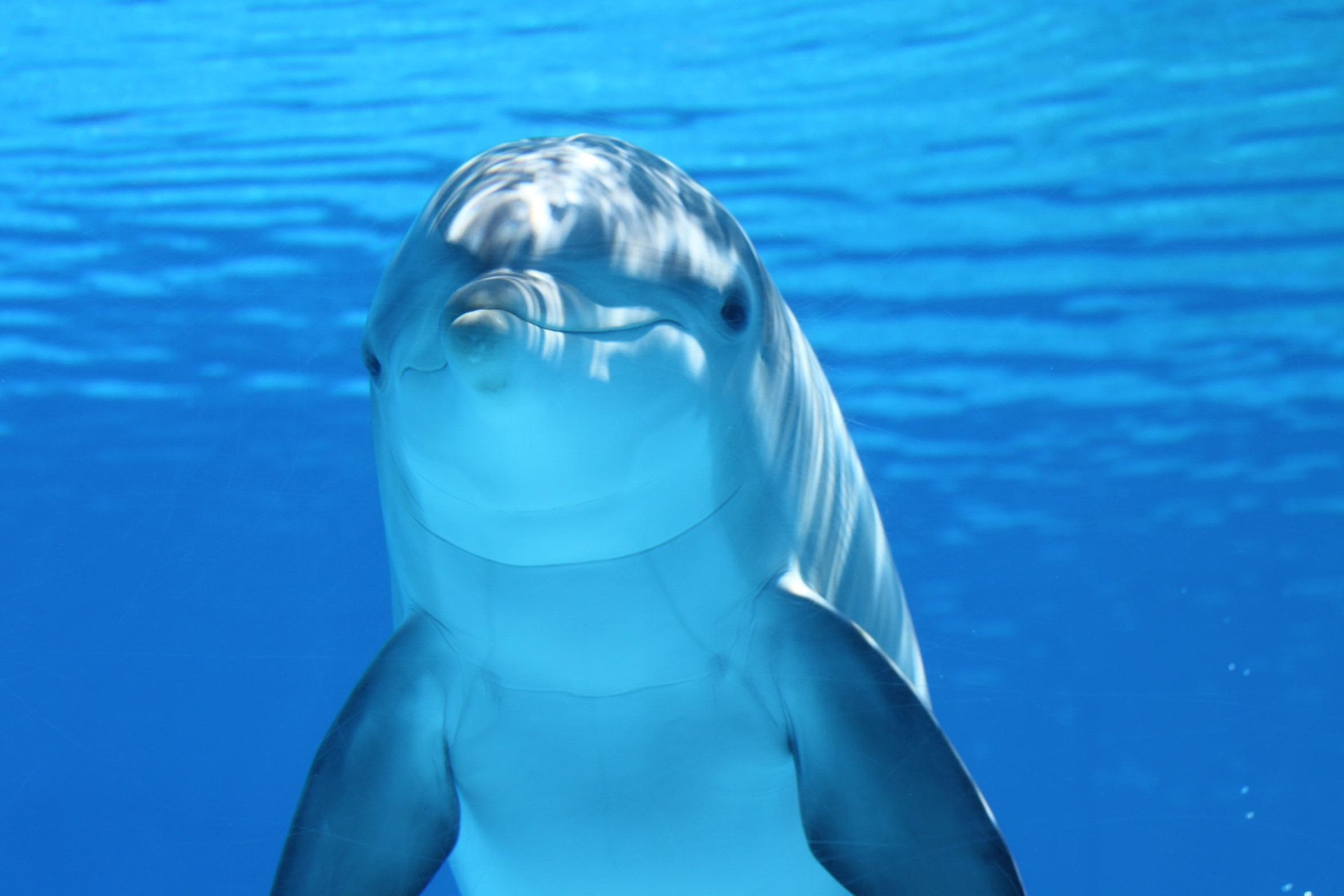
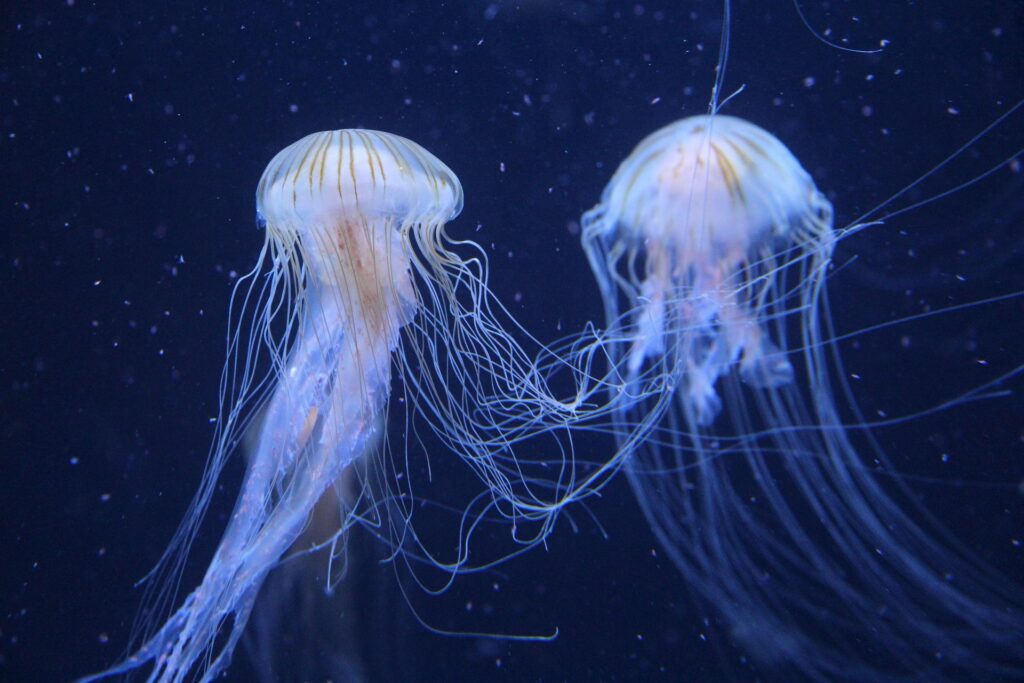
Oceans are home to an incredible diversity of life. From the smallest plankton to the largest whales, marine ecosystems support a vast array of species. Oceans provide food, shelter, and breeding grounds for millions of species, many of which are yet to be discovered.
Marine Ecosystems: Coral Reefs, Mangroves, and Seagrass Beds
- Coral reefs are some of the most biodiverse ecosystems on Earth. Despite covering less than 1% of the ocean floor, they support about 25% of all marine life. These ecosystems are vital for fish populations, coastal protection, and even for local human communities who depend on fishing.
- Mangroves and seagrass beds are equally important in coastal ecosystems. Mangroves act as buffers against storm surges and coastal erosion, while seagrass meadows support a wide range of marine life, including juvenile fish and marine turtles.
Oceans provide ecosystem services that support human livelihoods, such as fishing, tourism, and coastal protection. The health of marine ecosystems directly affects food security, economic stability, and the overall well-being of coastal populations.
5. The Threats Facing the Oceans
Despite their vital role in sustaining life on Earth, oceans face numerous threats that jeopardize their ability to support life and regulate the climate. The following are some of the major challenges oceans are facing:
Major Threats to Oceans
- Climate Change: Rising temperatures due to climate change are causing ocean warming, which disrupts marine ecosystems, particularly coral reefs. Warmer oceans also lead to more frequent and intense storms, which damage coastal communities and ecosystems.
- Pollution: Oceans are heavily polluted by plastic waste, oil spills, and chemical runoff from agriculture and industry. Pollutants can poison marine life, disrupt food chains, and harm human health.
- Overfishing: Unsustainable fishing practices have led to the depletion of fish populations and the destruction of marine habitats. Overfishing threatens biodiversity and destabilizes marine ecosystems.
- Ocean Acidification: As the oceans absorb more CO₂, the water becomes more acidic, which harms marine species, particularly those that rely on calcium carbonate to build shells, like corals and shellfish.
6. Protecting Oceans for Future Generations
Protecting the oceans is critical to ensuring the long-term survival of marine ecosystems, human populations, and the health of the planet. Effective management, conservation, and sustainable practices are essential for maintaining the health of oceans and their ability to regulate climate, provide oxygen, and support biodiversity.
Solutions for Ocean Conservation
- Marine Protected Areas (MPAs): Expanding MPAs can protect vital marine habitats, such as coral reefs, seagrass meadows, and mangrove forests. These areas provide safe zones where marine life can thrive without the threat of overfishing or habitat destruction.
- Sustainable Fisheries: Promoting sustainable fishing practices and enforcing regulations can help replenish fish stocks and preserve marine biodiversity.
- Pollution Reduction: Reducing plastic pollution and controlling chemical runoff from industries and agriculture can prevent further harm to marine life.
- Climate Action: Addressing the root cause of ocean warming and acidification—climate change—is essential for the future of oceans. Reducing carbon emissions globally will help slow the impacts of climate change on oceans and marine ecosystems.
Conclusion
Oceans are essential for life on Earth. They regulate the global climate, produce oxygen, absorb carbon, and support the vast majority of the planet’s biodiversity. Without the oceans, life as we know it would not be possible. Protecting our oceans from the growing threats of pollution, overfishing, and climate change is essential to ensuring that future generations can enjoy the benefits that the seas provide.
The health of the oceans is directly tied to the health of the planet, and by taking action now, we can ensure a sustainable future for both marine life and humanity.
❓ Frequently Asked Questions (FAQ)
Why are oceans essential for climate regulation?
Oceans regulate climate by absorbing and redistributing heat, moderating temperatures, and helping to stabilize weather patterns. They also act as carbon sinks, absorbing CO₂ from the atmosphere.
How do oceans produce oxygen?
Phytoplankton, tiny marine organisms, produce the majority of the Earth’s oxygen through photosynthesis. Other marine plants, such as seagrasses and kelp, also contribute to oxygen production.
What is ocean acidification?
Ocean acidification occurs when excess CO₂ in the atmosphere is absorbed by oceans, making the water more acidic. This can harm marine life, particularly