
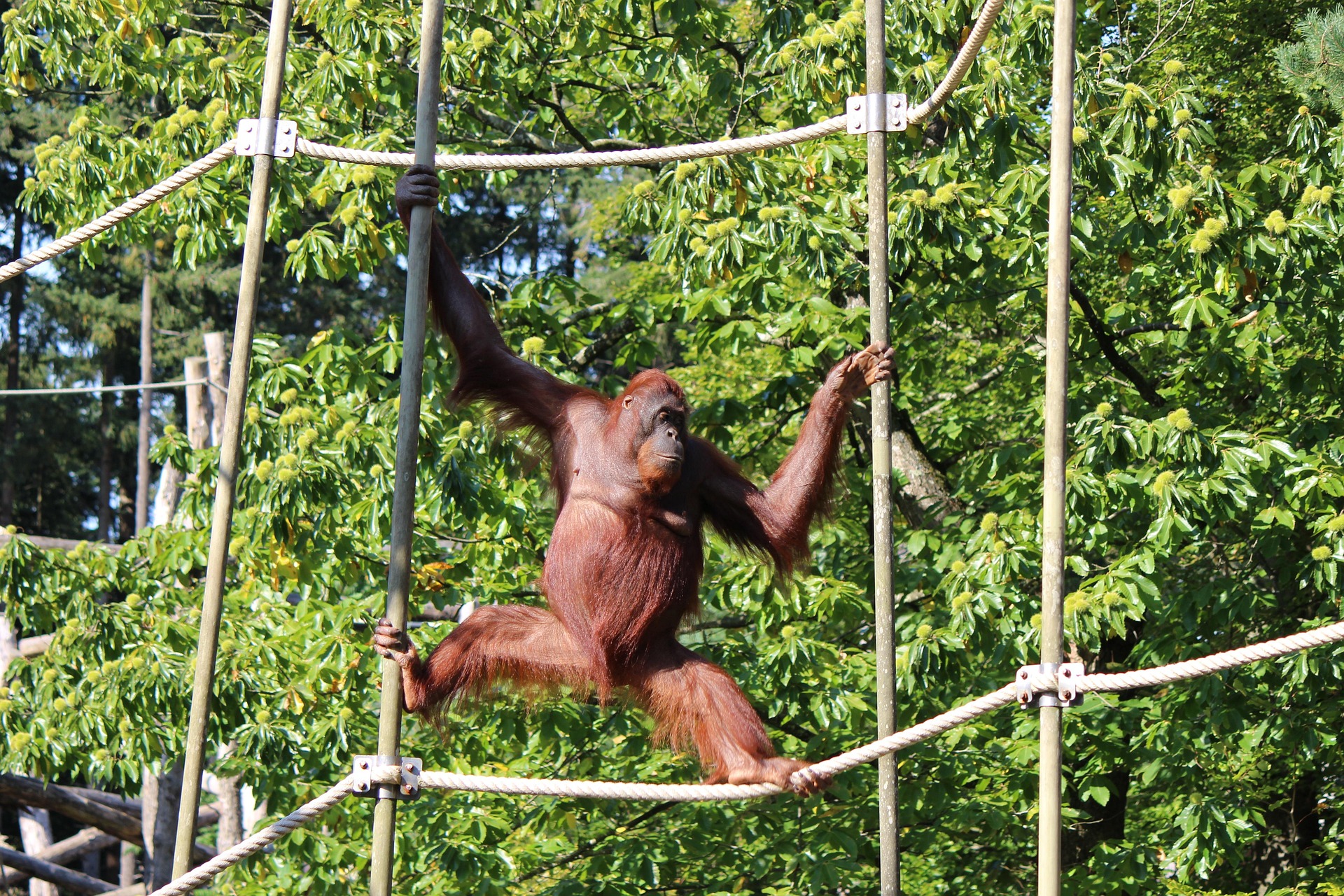
Nature operates as a complex, interconnected system where every element plays a vital role in maintaining the health and stability of the environment. From the smallest microorganism to the largest predator, every living thing is linked through a series of food webs and nutrient cycles. Ecosystems rely on a delicate balance between producers, consumers, and decomposers to function effectively. This web of life is a finely tuned system that has evolved over millions of years, ensuring the survival and prosperity of countless species—including humans.
🌱 Producers: The Foundation of Life
The foundation of any food chain begins with producers—mainly plants and phytoplankton. These organisms are capable of photosynthesis, a process in which they capture energy from the sun and convert it into chemical energy. This energy is passed on to all other organisms in the ecosystem. Through photosynthesis, plants form the basis of food webs, providing the nutrients and energy that herbivores (plant-eating animals) depend on for survival.
Primary producers like grass or algae are consumed by herbivores, which are in turn eaten by carnivores. In aquatic ecosystems, microscopic phytoplankton are the primary producers that provide food for larger organisms, such as fish and whales. Without producers, there would be no source of energy for consumers, causing the entire system to collapse.
🦌 Consumers: Maintaining Population Balance
Consumers are organisms that rely on other organisms for food. They are classified into different levels based on what they eat:
- Herbivores: These animals feed on plants and serve as the first level of consumers in a food chain. Examples include deer, rabbits, and caterpillars.
- Carnivores: These animals eat other animals and are usually at the top of the food chain. Examples include wolves, lions, and eagles.
- Omnivores: Animals like humans, bears, and raccoons that consume both plants and animals.
Consumers are crucial for maintaining population balance in ecosystems. For example, herbivores help control the growth of plant populations, while carnivores regulate the numbers of herbivores. If the numbers of one species become too high or too low, it can throw the entire ecosystem out of balance. A decrease in herbivore populations could lead to an overgrowth of plants, while an increase in carnivores could reduce the number of herbivores to unsustainable levels.
🍂 Decomposers: Recycling Nutrients
Decomposers, such as fungi, bacteria, and insects, are essential for recycling nutrients back into the ecosystem. They break down dead plants and animals into simple compounds, which are then returned to the soil, water, and air. This process ensures that essential nutrients, such as nitrogen and phosphorus, are available for plants and other organisms to use. Without decomposers, nutrients would become trapped in dead organic matter, leading to nutrient shortages and reduced productivity in ecosystems.
Decomposers also help maintain the carbon cycle by breaking down organic material, which releases carbon into the soil and atmosphere, where it can be used again by plants. In this way, they play a critical role in regulating carbon levels and helping stabilize the Earth’s climate.
🌍 The Interconnectedness of Life
The key to understanding how nature maintains balance is recognizing the interconnectedness of all life. The health of one species affects many others. A single change in an ecosystem—whether it’s the loss of a predator, the introduction of an invasive species, or a shift in climate—can send ripples throughout the entire system, causing unforeseen consequences.
For example, the gray wolf in Yellowstone National Park is a top predator, and its presence has significant effects on the ecosystem. By hunting herbivores like elk, wolves prevent overgrazing, allowing plants and trees to flourish. In turn, these plants provide shelter for other animals, and the trees prevent soil erosion. When wolves were removed from the park in the 20th century, the elk population grew unchecked, leading to overgrazing and significant damage to plant life. When the wolves were reintroduced, the entire ecosystem began to recover, demonstrating how predators, prey, and vegetation are all deeply connected.
🧑🤝🧑 Human Impact on Nature’s Balance
Humans are part of this web of life, but our actions often disrupt the natural balance. Through activities like deforestation, pollution, overfishing, and urbanization, we have altered ecosystems around the world. These disruptions can cause species extinctions, habitat destruction, and changes in climate, all of which have far-reaching consequences.
For example, pollution from factories, agriculture, and waste disposal can contaminate water sources, harm wildlife, and damage plant life. The burning of fossil fuels releases large amounts of carbon dioxide into the atmosphere, leading to global warming and changing weather patterns. Habitat loss due to deforestation and urban sprawl disrupts animal migration, breeding, and food availability. The loss of biodiversity weakens ecosystems, making them more vulnerable to disease and environmental changes.
⚖️ The Fragility of Ecosystems
Ecosystems are highly sensitive to disturbances. Even small changes, such as the introduction of an invasive species or the alteration of a single plant species, can cause cascading effects. For example, the introduction of the zebra mussel to North American lakes has disrupted local ecosystems by outcompeting native species for resources, leading to the collapse of some aquatic food webs.
The fragility of ecosystems highlights the importance of maintaining a balance between human activities and natural systems. It also underscores the need for conservation efforts to protect biodiversity, preserve habitats, and restore ecosystems that have been damaged by human intervention.
🌿 The Importance of Ecosystem Services for Human Well-Being
Healthy ecosystems provide essential services that humans depend on for survival. These services include:
- Clean air and water: Forests, wetlands, and oceans filter pollutants from the air and water, providing clean resources for humans to drink and breathe.
- Food and medicine: Ecosystems supply a wide variety of food sources and medicinal plants that have been used for centuries in traditional medicine.
- Climate regulation: Forests, oceans, and wetlands act as carbon sinks, absorbing carbon dioxide and helping to stabilize the Earth’s climate.
- Pollination: Insects like bees and butterflies pollinate plants, which in turn provide us with food and support biodiversity.
- Flood control and soil protection: Wetlands, mangroves, and forests help absorb water, reducing the risk of floods and protecting soil from erosion.
If we continue to degrade ecosystems, we risk losing these vital services, which would have severe consequences for our well-being.
🌎 Protecting Nature’s Balance
Preserving the balance of ecosystems is essential for both the health of the planet and the future of humanity. To protect nature, we must prioritize sustainable practices such as:
- Conservation of habitats and species
- Sustainable agriculture that minimizes environmental impact
- Reforestation and habitat restoration efforts
- Pollution reduction through cleaner energy and waste management
- Climate change mitigation to reduce global warming
By protecting ecosystems and the species within them, we can help ensure that the natural balance is maintained and that future generations will continue to benefit from the services nature provides.
FAQ: Frequently Asked Questions
1. What is the interconnected web of life?
The interconnected web of life refers to the relationships between producers, consumers, and decomposers in ecosystems. Each element plays a crucial role in maintaining balance and ensuring the survival of the system as a whole.
2. How do humans disrupt nature’s balance?
Humans disrupt nature’s balance through activities like pollution, deforestation, overfishing, and urbanization, which lead to habitat loss, species extinction, and changes in climate.
3. Why is biodiversity important for ecosystem balance?
Biodiversity ensures that ecosystems can function properly. Each species has a unique role, and the loss of one species can lead to the collapse of the entire ecosystem. Biodiversity also supports the resilience of ecosystems to environmental changes.
4. What are ecosystem services?
Ecosystem services are the benefits that humans receive from nature, such as clean air, water filtration, food, pollination, and climate regulation. Healthy ecosystems provide these services, which are essential for human survival.
5. How can we protect ecosystems?
We can protect ecosystems through conservation efforts, sustainable practices, and restoration projects. Reducing pollution, protecting habitats, and addressing climate change are key steps in maintaining ecosystem balance.