
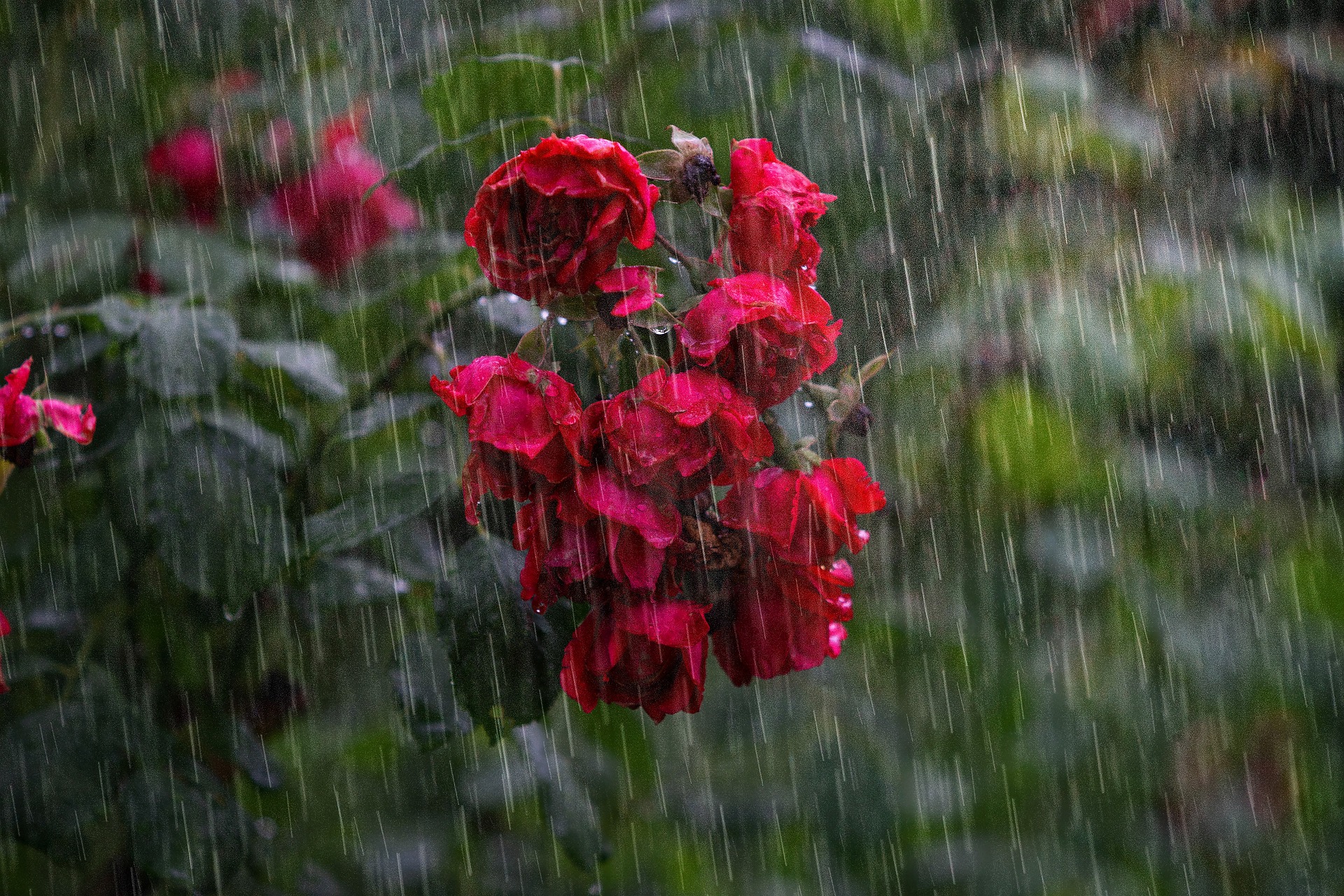
The changing seasons are one of the most visible and fascinating expressions of Earth’s natural rhythms. Caused by the tilt of the planet’s axis, the seasons influence almost every aspect of life on Earth—shaping climate, ecosystems, and human life. From the blossoming of spring to the quiet dormancy of winter, the seasonal cycles are a reflection of nature’s ongoing transformations.
🌍 The Science Behind the Seasons
The Earth’s axis is tilted at an angle of approximately 23.5 degrees, and as the planet orbits the sun, different parts of Earth receive varying amounts of sunlight at different times of the year. This is why we experience four distinct seasons: spring, summer, autumn (or fall), and winter. The equator receives relatively consistent sunlight year-round, but the regions closer to the poles experience the greatest variation in sunlight, leading to more pronounced seasonal changes.
Each season plays a specific role in maintaining ecological balance. The timing of seasons affects everything from plant life and animal behavior to human activities and cultural practices.
🌸 Spring: A Time of Renewal and Growth
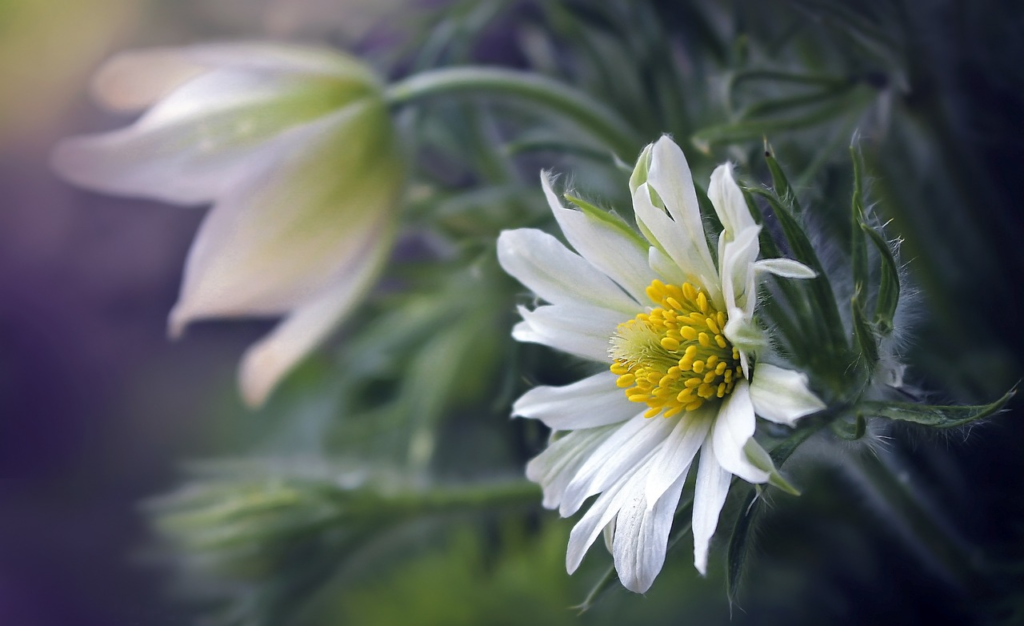
Spring is a season of growth, rebirth, and renewal. As temperatures rise and the days get longer, plants begin to emerge from their winter dormancy. Trees sprout new leaves, flowers bloom, and the soil warms up, encouraging the growth of grasses, crops, and other vegetation. Spring is also the time when many animals begin to reproduce, ensuring that new generations are born in favorable conditions.
In temperate regions, the melting of snow and rains bring an influx of water to ecosystems, rejuvenating rivers, wetlands, and forests. Spring is vital for many species that depend on the availability of fresh food sources and safe places to raise their young. The longer daylight hours also encourage increased activity among many animals, including birds, which begin their annual migration.
☀️ Summer: A Season of Abundance and Activity
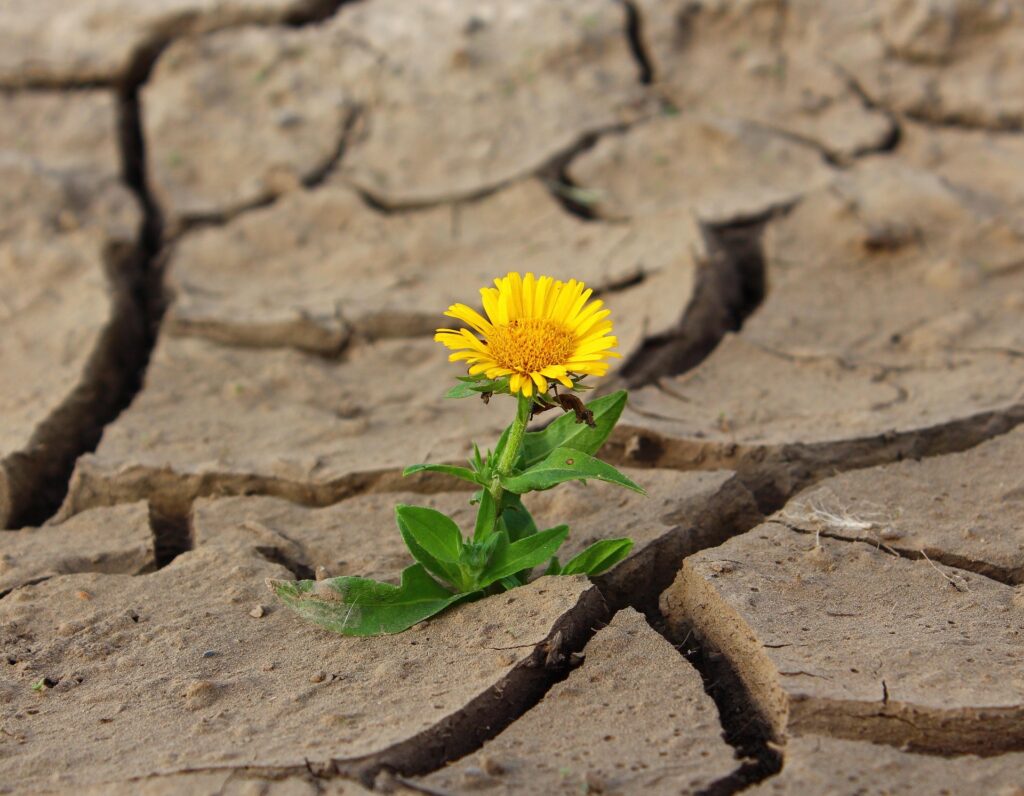
Summer is the season of abundance. With the highest levels of sunlight, long days, and warmer temperatures, summer supports the fullest expression of life. Plants are in their peak growth, producing flowers and fruits. The rich abundance of plants fuels the food chain, benefiting herbivores and the predators that depend on them.
Summer also brings heightened activity in the animal world. Many animals continue to breed, while others stockpile food for the coming seasons. Insects become more numerous, playing a vital role in pollination and serving as a food source for other animals. The long days provide ample time for animals to hunt, forage, and gather resources.
For humans, summer has traditionally been a time for harvesting crops, especially in agriculture-based societies. The warmth and sunlight also encourage outdoor activities, tourism, and social events, contributing to a more active and vibrant time of year.
🍂 Autumn: Preparing for Rest and Regeneration
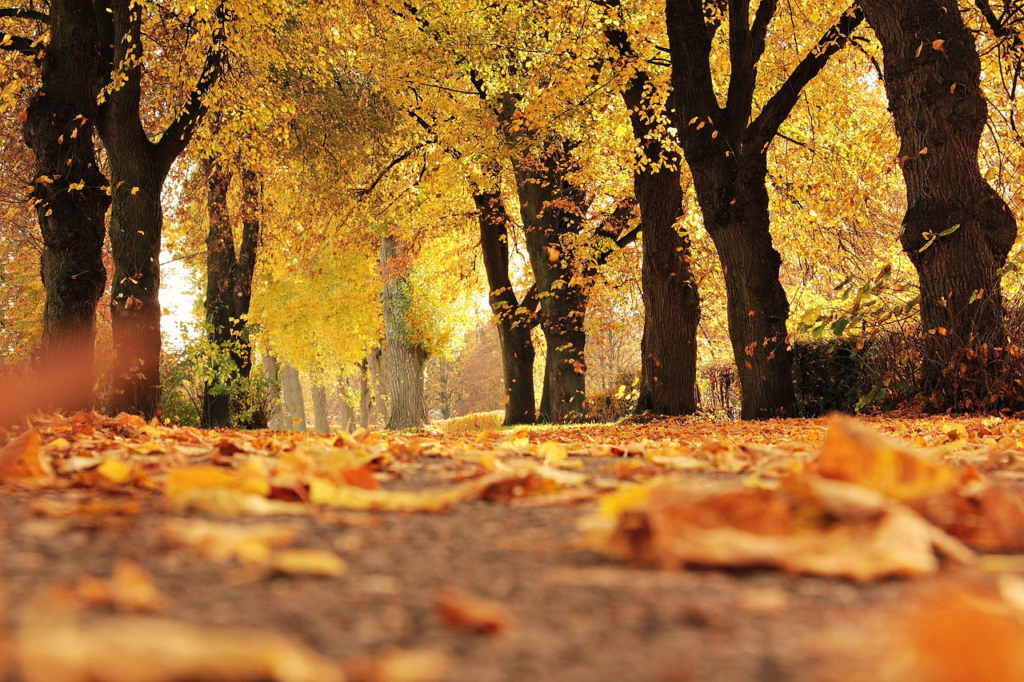
As summer fades and the cooler temperatures of autumn take over, this season marks a time of transition. Autumn is characterized by the shedding of leaves by deciduous trees, a process known as abscission. The colorful leaves that blanket the ground are part of nature’s plan to conserve energy and water in preparation for the harsher winter months.
For many animals, autumn is the time to gather food and prepare for the coming cold. Squirrels collect acorns, while bears begin to accumulate fat for their winter hibernation. Many species, including birds, begin migrating to warmer climates, following seasonal cues for migration.
Autumn is also a time when some animals, like deer and moose, enter the breeding season. The cooler weather and shorter days signal animals to start preparing their bodies for the rigors of winter. For plants, autumn is a time to store energy in the roots and prepare for the dormant months ahead.
❄️ Winter: Rest and Regeneration
Winter is the season of rest, stillness, and regeneration. In colder climates, it is a time when many animals enter a state of hibernation or significantly reduce their activity levels to conserve energy. Bears, hedgehogs, and many insects retreat into dens or underground burrows, where they rest through the coldest months of the year.
For plants, winter is a period of dormancy. Trees and other vegetation have stopped growing, and the focus shifts to survival. Many plants store nutrients in their roots to endure the cold months and prepare for the burst of growth when spring returns.
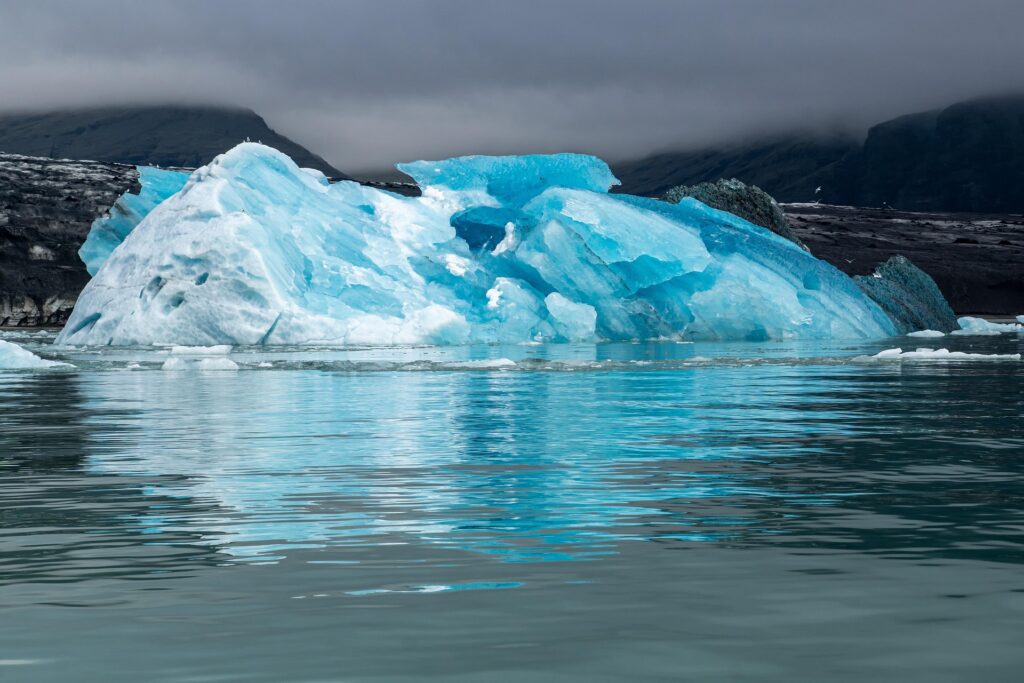
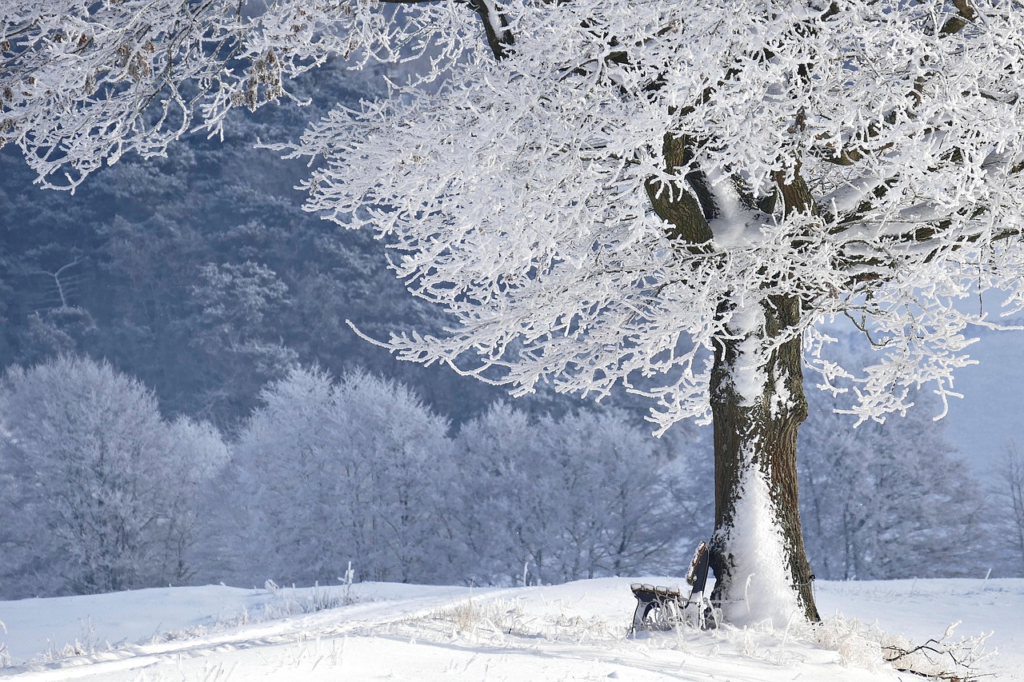
In many parts of the world, snow and ice cover the land, and many ecosystems enter a quiet phase of rest. Rivers may freeze over, and the landscape is often covered in white, creating an almost serene environment. The animals that remain active during winter, like foxes and deer, have adapted with thick fur and unique behaviors that allow them to survive in harsh conditions.
🦅 How Seasonal Changes Affect Animal Behavior and Migration
Seasonal changes affect animal behavior in significant ways. Many species time their reproduction to ensure that their young are born during favorable seasons. For example, lambs and calves are typically born in the spring when food is abundant and weather is mild, ensuring their survival in the critical early stages of life.
Migration is another example of how animals respond to seasonal cues. Birds, such as swallows and geese, travel thousands of miles to find more favorable conditions during the winter months. These migrations are triggered by changes in day length, temperature, and food availability.
Animals also respond to changes in daylight and temperature by adjusting their feeding patterns, reproductive cycles, and sleeping habits. Insects like bees and butterflies also undergo seasonal changes in behavior, with many species only emerging in the spring and summer, when flowers and food sources are abundant.
🌡️ The Impact of Climate Change on Seasonal Patterns
While seasonal changes are natural, climate change is having a profound impact on the timing and intensity of these cycles. Rising global temperatures are leading to warmer winters, longer summers, and more unpredictable weather patterns. As a result, some species are finding it harder to adapt to shifting seasons. Migration patterns are being disrupted, and some species may not have enough food or the right conditions to breed at the usual time.
Plants may flower too early, only to have their blossoms damaged by an unexpected frost, or fruiting may be delayed, affecting food availability for animals. Similarly, animals may experience a mismatch in timing—such as birds arriving at their migratory destinations too late, when food sources are already scarce.
🌍 The Importance of Understanding Seasonal Balance
Understanding the rhythms of the seasons and how they impact ecosystems is critical for preserving natural systems. The balance between seasons is not only crucial for the health of wildlife and plant life but also for the stability of ecosystems that humans depend on. Agriculture, water management, and wildlife conservation all rely on understanding the seasonal cycles and predicting how climate change may affect these patterns.
Protecting this balance is essential for maintaining the health of our environment. By reducing our carbon footprint, supporting sustainable agricultural practices, and investing in climate change mitigation, we can help preserve the natural rhythms that have existed for millions of years and ensure that future generations experience the full beauty and abundance of Earth’s seasons.
FAQ: Frequently Asked Questions
1. Why do we have different seasons?
Different seasons are caused by the tilt of the Earth’s axis and the way the planet orbits the sun. This causes different areas of Earth to receive varying amounts of sunlight throughout the year, leading to temperature changes and the cycle of seasons.
2. How do animals know when to migrate or breed?
Many animals rely on seasonal cues like changes in day length, temperature, and the availability of food. These cues help animals time their migration and reproduction for the best chances of survival.
3. How does climate change affect the seasons?
Climate change is causing warmer temperatures, longer summers, and more unpredictable weather. This affects animal migration, plant cycles, and the timing of seasonal events, creating mismatches in the natural rhythms.
4. How do plants adapt to different seasons?
Plants adapt by going into dormancy during the winter and growing and flowering during the warmer months. Some plants store nutrients in their roots or stems to survive through harsh conditions.
5. Why is it important to protect seasonal balance?
Maintaining seasonal balance is vital for the health of ecosystems. Disrupting these cycles can affect food sources, animal behavior, and agriculture, which in turn impacts human societies and the environment.