
Biodiversity is the foundation of life on Earth. It encompasses the vast variety of species, the genetic diversity within those species, and the many ecosystems that support and sustain the planet. From the tiniest microorganism to the largest mammal, every organism plays a crucial role in maintaining the delicate balance of life. Without biodiversity, the world as we know it would not exist. Every species, no matter how small or seemingly insignificant, is part of the intricate web that keeps ecosystems functioning and helps to sustain life.
🌱 The Role of Biodiversity in Healthy Ecosystems
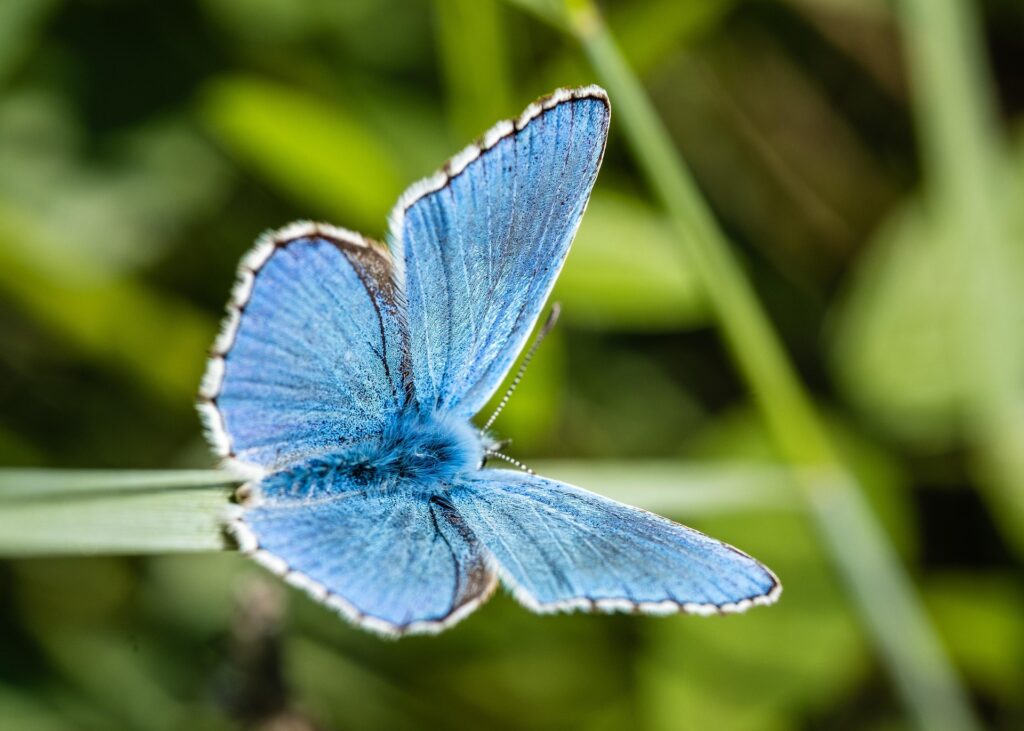
Healthy ecosystems depend on biodiversity to maintain balance and stability. Various species work together in ecosystems to perform essential functions. For example, pollinators, like bees, butterflies, and birds, are critical for the reproduction of many plants, including those that provide us with food. Predators regulate the population of prey species, preventing any one species from dominating an ecosystem and ensuring that resources are not depleted. Decomposers, such as fungi and bacteria, break down organic matter and recycle nutrients back into the soil, maintaining the health and fertility of the land.
When one species disappears, it can trigger a cascade of effects throughout the ecosystem. For instance, the loss of a pollinator species can severely impact plant reproduction, affecting both wild plants and crops that humans rely on for food. Similarly, the decline of a predator species may cause an increase in the population of herbivores, leading to overgrazing and damage to vegetation. In this way, biodiversity is the key to ecosystem resilience, helping nature adapt to changes and challenges, including natural disasters and disease outbreaks.
🦠 Biodiversity and Human Survival
Biodiversity is not only essential for the health of ecosystems, but it is also critical to human survival. We depend on nature for a wide range of services that support our daily lives. Food security, for example, relies on a diverse range of plants and animals for nutrition. Agriculture, which is the backbone of global food production, is entirely dependent on the biodiversity of pollinators, soil organisms, and natural pest control systems.
Medicines also have strong ties to biodiversity. Many modern medicines are derived from plants, animals, and microorganisms found in nature. For example, aspirin was originally derived from the bark of the willow tree, and the medicinal properties of the Pacific yew tree led to the development of the chemotherapy drug taxol, which is used to treat cancer. Countless other medicines, including those used to treat heart disease, malaria, and infections, have their origins in the natural world.
Biodiversity also contributes to climate regulation. Forests, wetlands, and oceans absorb carbon dioxide and produce oxygen, helping to regulate the Earth’s climate and mitigate the effects of climate change. Wetlands and forests act as carbon sinks, absorbing carbon from the atmosphere and storing it in plants, soil, and trees. Without these ecosystems, the amount of carbon dioxide in the atmosphere would increase, accelerating global warming and making the planet more inhospitable.
🌍 The Decline of Biodiversity
Despite its critical importance, biodiversity is currently in decline at an unprecedented rate. Scientists estimate that we are experiencing a mass extinction event, the likes of which has not been seen since the dinosaurs vanished. There are several key factors driving this loss:
- Habitat destruction: Deforestation, urbanization, and agriculture are rapidly destroying natural habitats and leaving species with nowhere to live. Forests, wetlands, grasslands, and coral reefs are being degraded or entirely wiped out by human activities.
- Pollution: Air, water, and soil pollution have devastating effects on wildlife. Chemicals and waste from industrial processes, agriculture, and urban areas contaminate ecosystems, poisoning species and disrupting reproductive cycles.
- Overexploitation: Overfishing, hunting, and the illegal wildlife trade are driving species to extinction. The demand for resources like timber, ivory, and animal products has led to the decimation of many species.
- Climate change: Rising global temperatures, changing precipitation patterns, and extreme weather events are disrupting ecosystems and forcing species to migrate, adapt, or face extinction. Many species simply cannot move fast enough or adapt to the changing conditions.
As species disappear, the entire ecosystem is weakened. The loss of biodiversity can result in reduced ecosystem services, such as a decline in crop yields, fewer medicinal resources, and increased vulnerability to natural disasters. For example, the loss of mangroves and coral reefs leaves coastal areas more susceptible to storm surges and flooding.
🌿 The Need for Biodiversity Conservation
The importance of protecting biodiversity cannot be overstated. Conservation efforts are essential to preserving the rich variety of life on Earth. There are several ways in which we can help protect biodiversity and prevent further loss:
- Establish protected areas: National parks, wildlife reserves, and marine protected areas are crucial for safeguarding ecosystems and providing safe habitats for endangered species. These areas help to preserve biodiversity and allow species to thrive without human interference.
- Promote sustainable land use: Practices such as sustainable agriculture, forestry, and fisheries help to reduce the negative impacts of human activities on the environment. For example, agroforestry, which combines farming with tree planting, can help restore degraded land and provide habitats for wildlife.
- Reduce pollution: Limiting the use of harmful chemicals, reducing waste, and implementing cleaner technologies can help protect ecosystems from pollution. Efforts to reduce plastic waste and clean up oceans and rivers are particularly important for protecting marine life.
- Combat climate change: Reducing greenhouse gas emissions by transitioning to renewable energy sources, conserving energy, and protecting forests and wetlands is essential for mitigating climate change and protecting biodiversity.
Conservation is not only the responsibility of governments and environmental organizations but also of individuals. By making sustainable choices, reducing consumption, and supporting conservation initiatives, everyone can play a role in preserving the planet’s biodiversity.
🐾 Conclusion
Biodiversity is the foundation of life on Earth, and every species matters. From the smallest insect to the largest mammal, every organism plays an important role in maintaining the balance of ecosystems that sustain the planet. The loss of biodiversity threatens not only the health of ecosystems but also human survival. We depend on biodiversity for food, medicine, clean water, and climate regulation. To protect biodiversity is to protect life itself. By supporting conservation efforts, adopting sustainable practices, and raising awareness about the importance of biodiversity, we can ensure that future generations inherit a world rich in life and natural beauty.
FAQ: Frequently Asked Questions
1. What is biodiversity?
Biodiversity refers to the variety of life on Earth, including the diversity of species, genetic differences within those species, and the variety of ecosystems that support life.
2. Why is biodiversity important for ecosystems?
Biodiversity is essential for maintaining the stability and health of ecosystems. It supports key ecological processes such as pollination, nutrient cycling, and predator-prey relationships, which help ecosystems function properly.
3. How does biodiversity benefit humans?
Biodiversity provides essential services for humans, including food, medicine, clean water, and climate regulation. Many medicines are derived from plants and animals, and diverse ecosystems help regulate the Earth’s climate and provide resources for agriculture.
4. What are the main threats to biodiversity?
The main threats to biodiversity include habitat destruction, pollution, overexploitation of resources, and climate change, all of which are causing species to go extinct at an unprecedented rate.
5. What can be done to protect biodiversity?
Protecting biodiversity requires conservation efforts such as establishing protected areas, promoting sustainable land use practices, reducing pollution, and combating climate change. Individuals can also help by making sustainable choices and supporting conservation initiatives.
6. Why should we care about biodiversity?
Biodiversity is essential for maintaining the health of ecosystems that support life on Earth. The loss of biodiversity can lead to reduced food security, fewer medicinal resources, and increased vulnerability to natural disasters, all of which affect human well-being.