
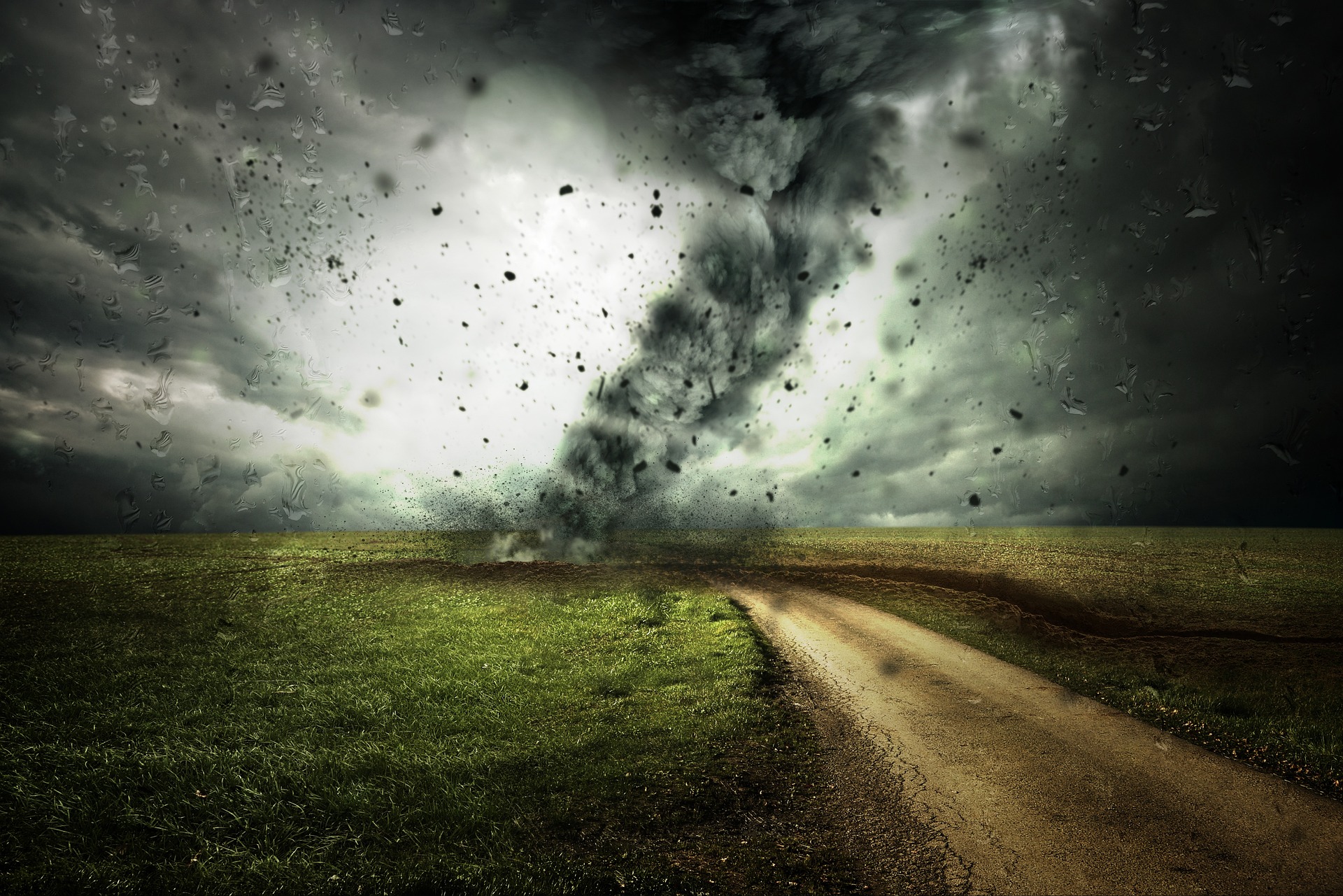
Climate change is one of the most urgent and pressing challenges facing the natural world today. It is reshaping ecosystems, altering landscapes, and disrupting the delicate balance that has supported life on Earth for millennia. As global temperatures rise, the world’s natural environments are undergoing profound transformations, and the effects are becoming increasingly visible. From melting glaciers to shifting ecosystems, climate change is forcing both nature and humanity to adapt.
🌍 The Melting of Glaciers and Polar Ice
One of the most striking and visible impacts of climate change is the rapid melting of glaciers and polar ice caps. As temperatures increase, glaciers in regions like the Arctic, Antarctica, and the Himalayas are shrinking at unprecedented rates. This melting contributes to rising sea levels, which is one of the most significant consequences of climate change. Sea level rise threatens coastal ecosystems, including wetlands, mangroves, and coral reefs, all of which are vital for maintaining biodiversity and protecting human communities from storms and erosion.
In addition to flooding low-lying coastal areas, rising sea levels also have a profound impact on human settlements and infrastructure. Cities like Venice, Miami, and Bangkok are already experiencing the effects of rising waters. Many island nations, especially in the Pacific Ocean, face the existential threat of becoming uninhabitable as the ocean continues to encroach on their shores.
🌲 Forest Transformation and Ecosystem Shifts
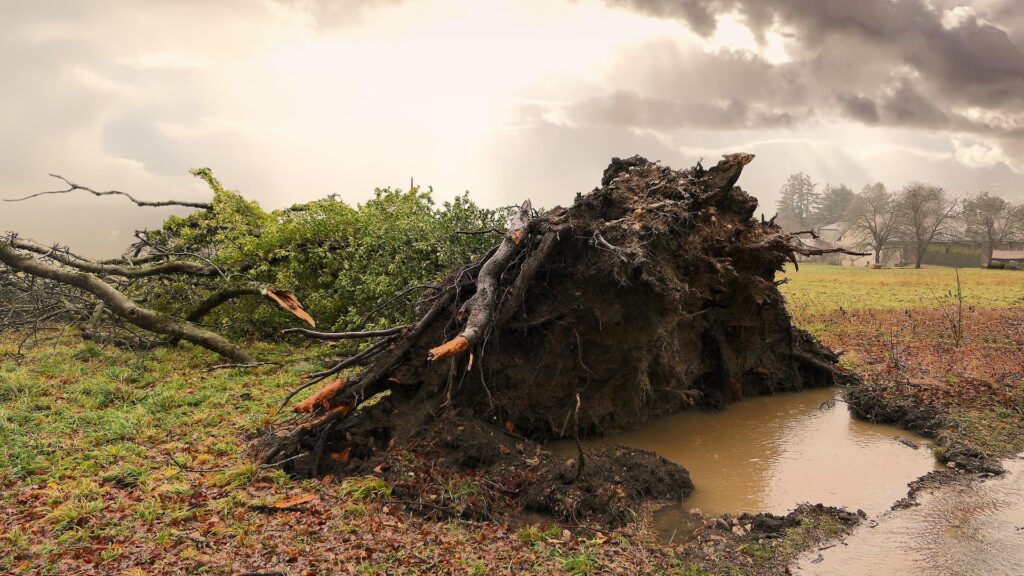
Forests are undergoing significant changes due to climate change. Higher global temperatures and prolonged droughts are weakening trees and making them more vulnerable to pests, diseases, and wildfires. As droughts become more frequent, forests are losing their ability to regenerate, and many trees are struggling to survive. This creates a vicious cycle, as weakened trees are less resilient to environmental stressors, making them more susceptible to fires and pest infestations.
In addition to fire and pest outbreaks, climate change is also shifting ecosystems as species migrate to new regions in search of cooler climates. Some plants and animals are moving to higher altitudes or latitudes, disrupting traditional ecosystems. For example, animals like the mountain pine beetle have expanded their range into previously unaffected areas, while species like polar bears are forced to move further north as the ice melts.
These changes in forest ecosystems have far-reaching consequences, as forests play a critical role in carbon sequestration, biodiversity support, and water regulation. Deforestation, combined with the weakening of existing forests, accelerates the loss of critical habitats and the release of greenhouse gases into the atmosphere, further exacerbating climate change.
🌊 Oceanic Changes: Coral Bleaching and Acidification
The oceans are also dramatically affected by climate change. Warmer ocean temperatures are causing widespread coral bleaching, a phenomenon where coral polyps expel the symbiotic algae living in their tissues. Without these algae, corals lose their color and become more vulnerable to disease, which can lead to widespread coral death. Coral reefs, which support about 25% of all marine life, are under significant threat, as ocean temperatures rise and acidification increases.
In addition to coral bleaching, climate change is also causing ocean acidification. As carbon dioxide (CO₂) levels rise in the atmosphere, much of it is absorbed by the oceans, making seawater more acidic. This acidity harms marine organisms that rely on calcium carbonate to form shells and skeletons, such as clams, oysters, and coral species. These changes disrupt marine food chains and pose significant threats to fisheries and coastal economies that depend on healthy marine ecosystems.
🌾 Shifts in Other Natural Landscapes: Deserts, Grasslands, and Tundra
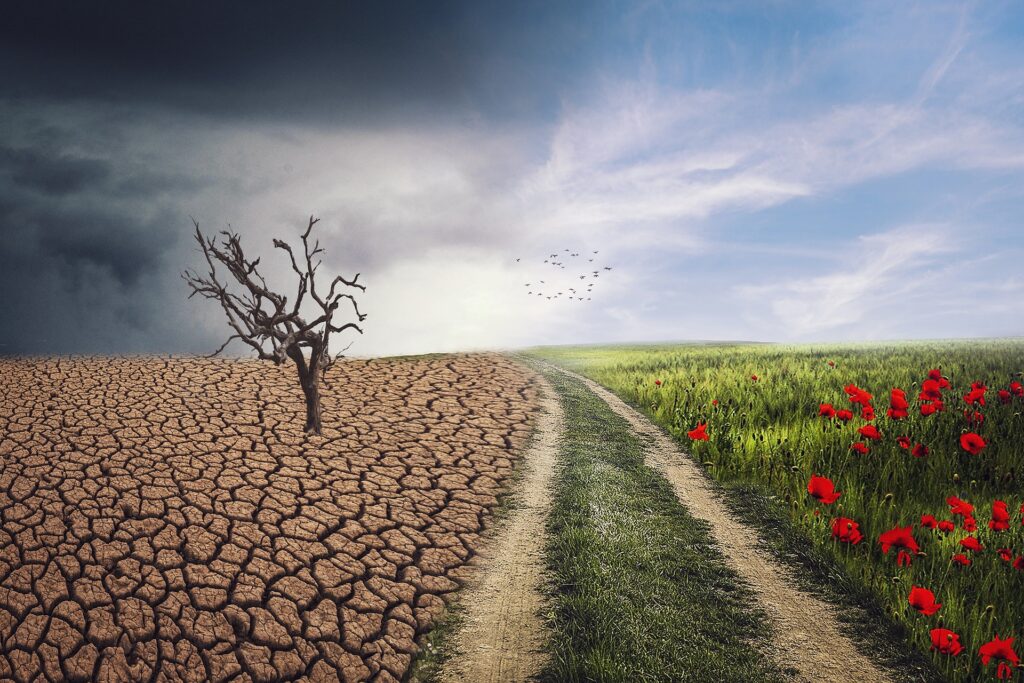
Climate change is not only affecting forests and oceans—it is also transforming other natural landscapes, including deserts, grasslands, and tundra regions. In some areas, increasing temperatures and decreasing rainfall are causing these ecosystems to become drier, exacerbating desertification. As a result, areas that were once productive for agriculture or wildlife are becoming arid, leading to the loss of vegetation, the degradation of soil, and the displacement of animal populations.
On the other hand, some regions are experiencing more intense rainfall and flooding, which can overwhelm ecosystems and human infrastructure. In areas like the Amazon Rainforest, excessive rainfall, combined with human activity, can lead to flooding that disrupts the forest’s ability to absorb carbon and maintain biodiversity.
In the tundra—the cold, treeless regions of the Arctic—warming temperatures are causing permafrost (frozen soil) to melt. As the ground thaws, it releases methane, a potent greenhouse gas, which further accelerates climate change. This also threatens the habitats of species such as polar bears, caribou, and Arctic foxes, as their ecosystems shift and disappear.
🌱 The Impact on Biodiversity and Human Livelihoods
All of these changes in natural landscapes are having a profound impact on biodiversity. Many species are struggling to adapt to the rapidly changing conditions, and some are facing extinction due to habitat loss, shifting food sources, and changing weather patterns. The loss of biodiversity is not only a tragedy for the species involved, but it also weakens ecosystems and reduces the natural services they provide—services like pollination, water purification, and carbon storage.
Human livelihoods are also deeply intertwined with these natural systems. Agriculture, fisheries, and tourism are just a few of the sectors that are being disrupted by climate change. Communities that rely on forests, oceans, and freshwater systems are increasingly vulnerable as these resources become scarcer and less predictable. Additionally, climate change is contributing to the rise in extreme weather events, such as hurricanes, floods, and wildfires, which have devastating effects on local economies and infrastructure.
🛑 The Need for Immediate Action
Addressing climate change and mitigating its impacts on natural landscapes requires immediate and concerted action. Key steps include:
- Conservation of existing ecosystems to protect biodiversity and maintain the critical services they provide.
- Transition to renewable energy sources, such as solar, wind, and hydropower, to reduce the emission of greenhouse gases.
- Sustainable land use practices that protect forests, wetlands, and other vital habitats from degradation.
- Investment in climate adaptation strategies, such as flood protection, drought-resistant crops, and disaster relief, to help vulnerable communities cope with the changes already taking place.
Governments, businesses, and individuals must all play a role in the fight against climate change. Only through global cooperation and sustainable practices can we protect the planet’s natural landscapes and ensure a livable future for generations to come.
Conclusion
Climate change is transforming natural landscapes around the world in profound and often devastating ways. From melting glaciers and shifting ecosystems to coral bleaching and desertification, the effects of rising temperatures are reshaping the world we know. The loss of biodiversity and the disruption of natural systems are not just environmental issues—they are global challenges that affect all of us. Addressing climate change requires immediate action to protect and restore the world’s ecosystems, transition to renewable energy, and promote sustainable practices. Only by working together can we preserve the beauty and functionality of our planet’s natural landscapes for future generations.
FAQ: Frequently Asked Questions
1. How does climate change affect glaciers and polar ice?
Climate change causes glaciers and polar ice to melt at accelerated rates, leading to rising sea levels and the loss of freshwater reserves that millions of people rely on.
2. What is coral bleaching, and why is it happening?
Coral bleaching occurs when warmer ocean temperatures cause corals to expel the algae living in their tissues, which leads to the loss of their vibrant color and weakens the coral, making it more susceptible to disease.
3. How is climate change affecting forests?
Higher temperatures, prolonged droughts, and pest infestations are weakening forests, making them more vulnerable to wildfires and disrupting ecosystems. Species are also migrating to cooler regions or higher altitudes.
4. What is ocean acidification, and how does it affect marine life?
Ocean acidification happens when excess carbon dioxide in the atmosphere is absorbed by the ocean, lowering the pH level. This harms shell-forming organisms like corals, clams, and oysters, disrupting marine food chains.
5. How are deserts and grasslands changing due to climate change?
Some regions are becoming drier due to higher temperatures and reduced rainfall, leading to desertification. Other areas are experiencing more intense rainfall and flooding, which can damage ecosystems.
6. What can be done to address the effects of climate change on natural landscapes?
To address these impacts, we need to invest in conservation, renewable energy, sustainable land use, and climate adaptation strategies to protect ecosystems and mitigate further damage.