
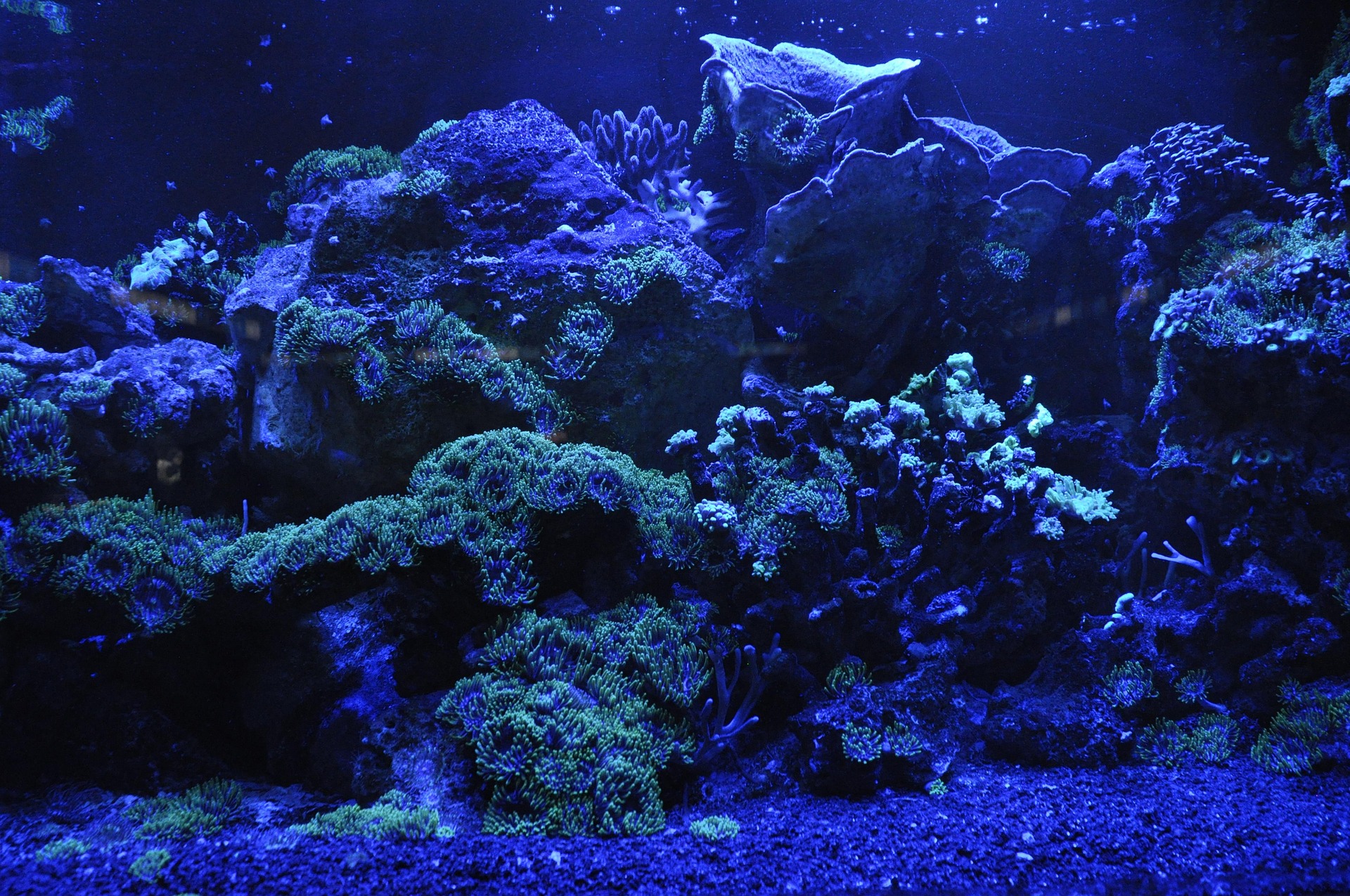
The ocean is the largest and most mysterious ecosystem on Earth, covering over 70% of the planet’s surface. Despite its vast expanse, humans have explored only a fraction of it. Beneath the waves, there exists a world full of incredible biodiversity, geological wonders, and complex natural processes that are essential to life on Earth. From the colorful coral reefs to the dark depths of the deep sea, the ocean is a treasure trove of secrets waiting to be uncovered.
🌊 The Ocean’s Role in Regulating the Global Climate
The oceans are the planet’s primary climate regulators. They absorb large amounts of heat from the sun, which helps stabilize the Earth’s temperature. This heat is then redistributed around the globe through ocean currents. These currents act like giant conveyors, moving warm water from the equator to the poles and cold water from the poles back to the equator. This process plays a vital role in maintaining climate stability.
Without oceans, the Earth would experience much more extreme and unstable temperatures. Ocean currents help regulate weather systems, influencing rainfall patterns, storm tracks, and seasonal cycles. For example, the warm waters of the Gulf Stream help maintain mild temperatures in Europe, while the El Niño and La Niña phenomena—caused by changes in ocean temperature—can significantly alter global weather patterns. The ocean’s ability to absorb heat also helps reduce the severity of climate change by moderating the planet’s overall temperature.
🐚 Marine Biodiversity: A World of Wonders
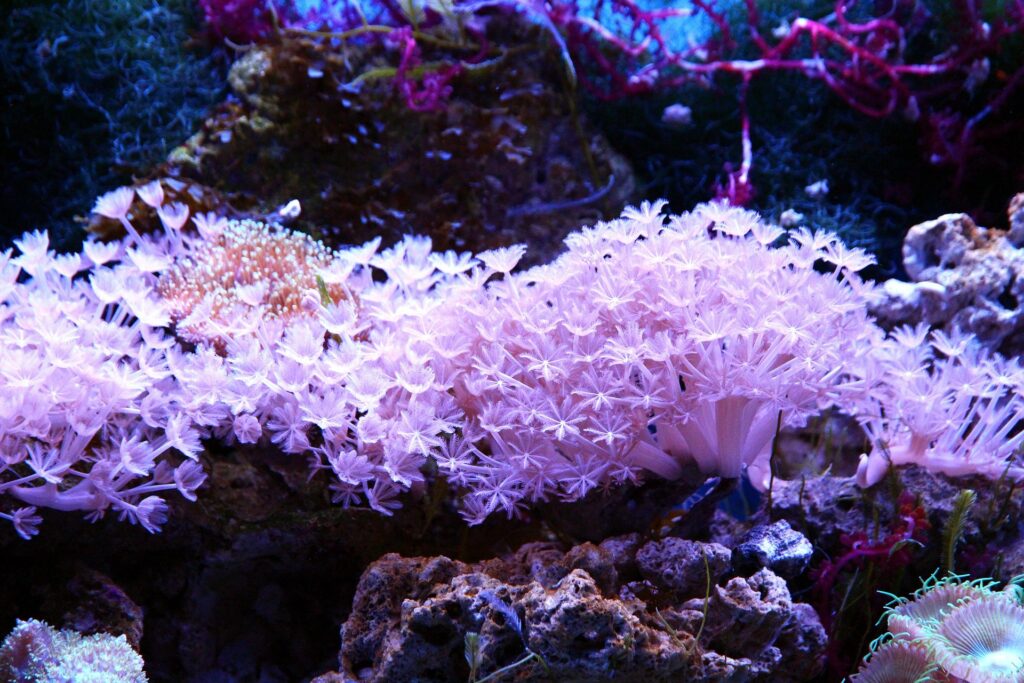
Marine ecosystems are home to an astounding array of life forms. Oceans are teeming with millions of species, many of which are still undiscovered. Among the most vital ecosystems are coral reefs, seagrass meadows, and the deep-sea environments that support diverse marine life. Coral reefs alone are home to about 25% of all marine species, despite covering less than 1% of the ocean floor. These vibrant ecosystems are often called the “rainforests of the sea” because of their rich biodiversity.
Even in the deep ocean, where sunlight never reaches, life thrives. Organisms in the deep sea have evolved to withstand extreme conditions such as high pressure, low temperatures, and total darkness. Species like the anglerfish, giant squid, and bioluminescent organisms are just a few examples of the unique adaptations found in the depths of the ocean.
The ocean’s ecosystems provide essential services that benefit the planet. Coral reefs act as natural barriers, protecting coastlines from storms and erosion. They also support fisheries, which are a crucial source of food for billions of people worldwide. Seagrass meadows and mangrove forests act as carbon sinks, helping to absorb excess carbon dioxide from the atmosphere, contributing to the fight against climate change.
🌱 The Ocean’s Role in Oxygen Production
One of the ocean’s most overlooked yet crucial contributions to life on Earth is its role in oxygen production. Phytoplankton, microscopic organisms that live in the upper layers of the ocean, perform photosynthesis and produce over half of the oxygen in the Earth’s atmosphere. This means that every second breath we take depends on the life in the ocean. Phytoplankton not only produce oxygen, but they also serve as the foundation of the marine food chain, providing food for a wide variety of marine organisms, from tiny zooplankton to massive whales.
Phytoplankton’s ability to absorb carbon dioxide during photosynthesis also plays a significant role in regulating the Earth’s carbon cycle. This helps mitigate the effects of climate change by reducing the amount of greenhouse gases in the atmosphere.
🛥️ The Ocean and Human Economies
Beyond its environmental importance, the ocean is also a critical part of the global economy. Oceans support industries that provide livelihoods and resources for billions of people worldwide. Fisheries are an essential source of food, providing fish and seafood to millions of people. In fact, fish is a primary protein source for over three billion people globally. Additionally, the ocean provides raw materials for pharmaceuticals, construction, and energy production.
Shipping routes across the oceans are vital for global trade, connecting countries and economies around the world. Over 90% of global trade is carried out by sea, with shipping vessels transporting goods from one continent to another.
Coastal tourism is another significant contributor to the world economy. Beautiful beaches, coral reefs, and marine life attract millions of tourists every year, generating income for coastal communities. Countries with coastlines depend on the ocean for tourism, which is a major source of national revenue.
Furthermore, oceans offer potential for renewable energy, particularly through tidal and wave power. These energy sources harness the motion of the ocean to generate electricity, providing a clean and sustainable energy solution. As the world moves toward a renewable energy future, the ocean could play a key role in reducing our dependence on fossil fuels.
⚠️ The Growing Threats to the Ocean
Despite its importance, the ocean is facing numerous threats that are damaging its ecosystems and endangering the species that rely on it. The most pressing threats include:
- Pollution: The ocean is polluted with plastics, chemicals, and waste from human activities. Millions of tons of plastic enter the ocean every year, harming marine life and disrupting ecosystems.
- Overfishing: The demand for fish and seafood has led to the depletion of fish stocks, causing imbalances in marine ecosystems and threatening the livelihoods of communities dependent on fishing.
- Coral bleaching: Rising ocean temperatures due to climate change are causing coral reefs to bleach, weakening them and making them more susceptible to disease.
- Ocean acidification: The increased concentration of carbon dioxide in the atmosphere is being absorbed by the oceans, causing the water to become more acidic. This affects marine life, particularly organisms with calcium carbonate shells, such as corals and shellfish.
These issues are further compounded by climate change, which intensifies existing problems and disrupts the balance of marine ecosystems. Rising temperatures, melting ice, and changes in ocean currents and weather patterns are putting increasing pressure on the health of the ocean.
🌍 Protecting the Ocean: A Global Responsibility
Protecting the ocean is essential to ensuring the future of life on Earth. Efforts to protect the ocean must involve global cooperation, sustainable practices, and increased awareness about the threats facing marine ecosystems. This includes:
- Reducing pollution by cutting down on plastic waste and harmful chemicals.
- Enforcing sustainable fishing practices to prevent overfishing and allow marine populations to recover.
- Establishing marine protected areas to preserve vital ecosystems such as coral reefs and seagrass meadows.
- Promoting the use of renewable energy sources like tidal and wave power to reduce dependence on fossil fuels and mitigate climate change.
Governments, businesses, and individuals must all work together to ensure the protection and restoration of the ocean. Only through collective action can we safeguard the oceans and the countless species that depend on them.
Conclusion
The ocean is an awe-inspiring and irreplaceable part of life on Earth. It plays a crucial role in regulating the global climate, providing oxygen, sustaining biodiversity, and supporting human economies. However, the ocean is facing unprecedented challenges, and if we do not act to protect it, we risk losing this precious resource. By raising awareness, adopting sustainable practices, and committing to global cooperation, we can ensure that the wonders of the ocean remain intact for generations to come.
FAQ: Frequently Asked Questions
1. Why is the ocean important for the global climate?
The ocean absorbs and redistributes heat around the planet through ocean currents, helping to stabilize global temperatures and influence weather systems, rainfall patterns, and seasonal cycles.
2. How do oceans produce oxygen?
Microscopic organisms called phytoplankton perform photosynthesis and produce more than half of the oxygen in Earth’s atmosphere. They are the foundation of the marine food chain and crucial to the survival of life on Earth.
3. What is coral bleaching, and why is it happening?
Coral bleaching occurs when ocean temperatures rise due to climate change, causing corals to expel the symbiotic algae living in their tissues. This makes the corals more vulnerable to disease and threatens entire coral reef ecosystems.
4. How is pollution affecting the ocean?
Pollution, particularly plastic waste, is contaminating ocean ecosystems. Plastics are ingested by marine animals, causing injury and death. Chemical pollutants also disrupt marine food chains and damage coral reefs.
5. What are the main threats to ocean ecosystems today?
The ocean faces threats such as pollution, overfishing, coral bleaching, ocean acidification, and the impacts of climate change, all of which are damaging marine life and ecosystems.
6. What can individuals do to help protect the ocean?
Individuals can help by reducing plastic use, supporting sustainable seafood, conserving water, and raising awareness about the importance of ocean conservation. Engaging in activities like beach cleanups and advocating for environmental protection can also make a difference.