
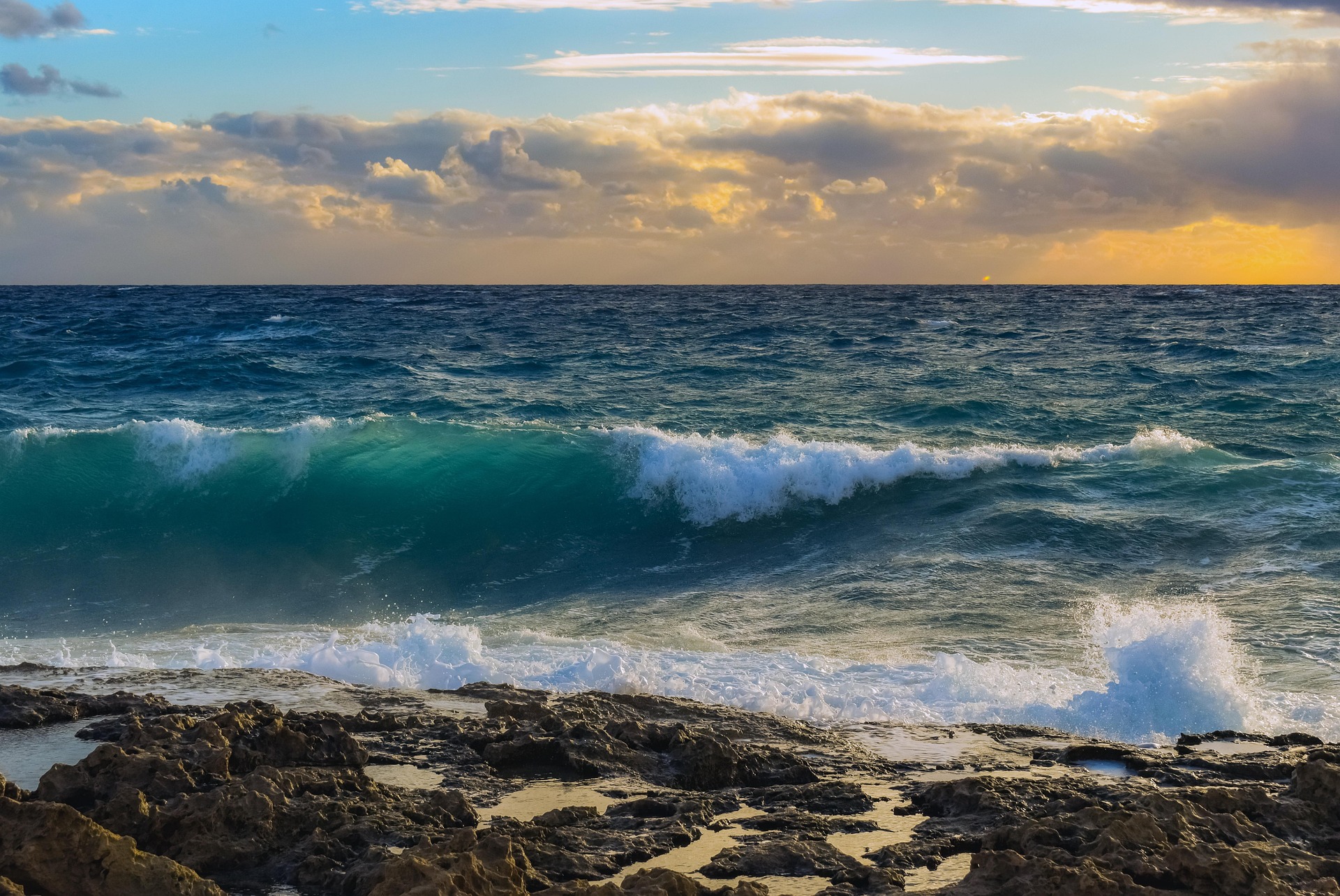
Oceans, the vast and mysterious bodies of water that cover about 70% of Earth’s surface, are the lifeblood of the planet. They are essential for regulating the Earth’s climate, providing food and oxygen, and supporting an astounding array of life forms. Oceans play a fundamental role in shaping weather patterns, driving global currents, and creating ecosystems that sustain countless species.
Despite their immense importance, oceans are often overlooked in discussions about the environment. With increasing threats from pollution, climate change, and overfishing, it’s more important than ever to understand the vital role oceans play in supporting life on Earth and to take action to protect them.
In this article, we explore the incredible ways oceans support life on Earth, the critical ecosystems within them, and the pressing challenges oceans face today. We will also look at how we can help preserve these essential resources for future generations.
Oceans: The Heart of the Earth’s Ecosystems
The oceans are a vast, interconnected network that connects nearly every part of the world. They are home to some of the most diverse and complex ecosystems on Earth, from coral reefs to the deep-sea trenches. These ecosystems are not only beautiful but also play critical roles in maintaining life on Earth.
1. Climate Regulation: Oceans as Earth’s Climate System Stabilizers
Oceans play a critical role in regulating global climate and weather patterns. They absorb about 90% of the Earth’s excess heat caused by climate change, which helps stabilize global temperatures. The heat absorbed by the oceans is distributed around the globe through complex ocean currents, which play a vital role in regulating both global and regional climates.
For example, the Gulf Stream, a warm ocean current in the North Atlantic, carries warm water from the Gulf of Mexico to Europe, helping to moderate the climate there. Without the oceans, we would experience much more extreme temperature fluctuations, making life on Earth far less stable.
Oceans also help regulate the water cycle. Through the process of evaporation, oceans release water vapor into the atmosphere, which eventually condenses and falls as precipitation. This water sustains ecosystems on land and provides the freshwater needed by plants, animals, and humans.
2. Oxygen Production: Oceans as Earth’s Oxygen Factory
While forests are often called the “lungs of the Earth” for their ability to produce oxygen, the oceans are just as important in this regard. Oceans produce about 50-80% of the oxygen we breathe, primarily through phytoplankton, microscopic marine plants that live in the sunlit surface waters of the ocean.
Phytoplankton absorb carbon dioxide and release oxygen into the atmosphere as a byproduct of photosynthesis, making them an essential part of the Earth’s oxygen supply. These tiny organisms are responsible for producing much of the Earth’s oxygen, making oceans essential for supporting life.
In addition to phytoplankton, seaweed and other marine plants contribute to oxygen production. Large kelp forests, which thrive along coastlines, are another example of marine plants that help sustain oxygen levels in the atmosphere.
Oceans and the Biodiversity They Support
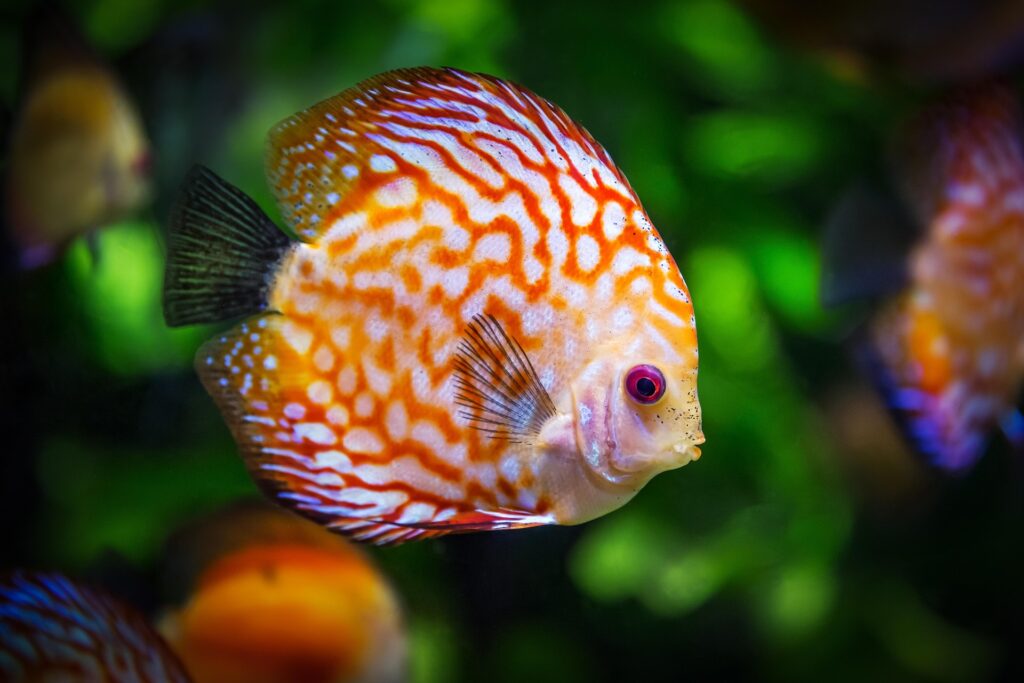
Oceans are home to an estimated 230,000 known marine species, but scientists believe the number could be as high as 2 million if undiscovered species are included. Marine biodiversity is incredibly rich and diverse, and the ocean ecosystems they inhabit are some of the most productive on Earth.
1. Coral Reefs: The Rainforests of the Sea
Coral reefs, often referred to as the “rainforests of the sea,” are among the most biodiverse ecosystems on Earth. These complex underwater structures are built by tiny coral polyps that secrete calcium carbonate, creating vast, intricate reef systems that provide habitat and food for countless marine species.
Despite covering less than 0.1% of the world’s ocean surface, coral reefs support about 25% of marine life. They provide food, shelter, and breeding grounds for species like fish, invertebrates, and marine mammals. Coral reefs also help protect coastlines from erosion and storm surges, acting as a natural barrier that absorbs wave energy.
Unfortunately, coral reefs are under threat from rising ocean temperatures, ocean acidification, pollution, and overfishing. Climate change, in particular, is causing coral bleaching events, where coral expel the algae that provide them with food, leading to the death of coral reefs.
2. Deep Sea Ecosystems: Life at the Ocean’s Depths
While the surface of the ocean is teeming with life, the deep sea is also home to a surprising array of organisms that thrive in extreme conditions. These ecosystems exist in the dark, high-pressure environments of the ocean’s depths, where sunlight cannot penetrate.
Creatures in deep-sea ecosystems, such as the anglerfish, giant squid, and deep-sea hydrothermal vent communities, have adapted to life in the darkness and crushing pressures of the ocean’s depths. These ecosystems rely on chemosynthesis, where organisms derive energy from chemicals like hydrogen sulfide, instead of sunlight.
Although deep-sea ecosystems remain largely unexplored, they are vital for maintaining marine biodiversity. In addition to supporting unique species, these ecosystems also play a role in regulating the ocean’s carbon cycle.
The Threats Facing Our Oceans
Despite their importance, oceans face a variety of threats, many of which are a direct result of human activities. These threats are not only harmful to marine life but also to the ecosystems and services that humans rely on.
1. Pollution: The Ocean’s Growing Garbage Heap
One of the most significant threats to oceans is pollution, especially plastic waste. It is estimated that 8 million tons of plastic enter the oceans every year, polluting the waters and harming marine life. Marine animals, including whales, sea turtles, and seabirds, can become entangled in plastic debris or ingest it, leading to injury, starvation, and death.
Chemical pollutants, such as pesticides, fertilizers, and heavy metals, also make their way into the oceans, often through runoff from agriculture. These chemicals can damage marine ecosystems, cause algal blooms, and contaminate the food chain, posing risks to both marine and human health.
2. Overfishing: Depleting Marine Resources
Overfishing is another major threat to ocean ecosystems. As fishing fleets continue to exploit marine resources beyond sustainable levels, fish populations are being depleted at alarming rates. This not only disrupts marine food webs but also threatens the livelihoods of millions of people who rely on fishing for food and income.
Unsustainable fishing practices, such as bottom trawling, also cause significant damage to ocean habitats, including coral reefs and deep-sea ecosystems.
3. Ocean Acidification: A Growing Threat to Marine Life
Ocean acidification, caused by the absorption of excess carbon dioxide from the atmosphere, is another major challenge facing oceans. As CO2 dissolves in seawater, it forms carbonic acid, which lowers the pH of the water. This makes it more difficult for marine organisms, such as corals, shellfish, and plankton, to build their calcium carbonate shells and skeletons.
The impacts of ocean acidification are already being felt by marine ecosystems, particularly by coral reefs, which rely on calcium carbonate to form their structures. If left unchecked, ocean acidification could have devastating consequences for marine biodiversity and the services that oceans provide.
What Can We Do to Protect Oceans?
Given the vital role oceans play in supporting life on Earth, it is imperative that we take steps to protect them. Here are a few actions that can make a significant difference:
1. Reducing Plastic Waste
One of the easiest ways to help protect the oceans is to reduce plastic waste. By avoiding single-use plastics, recycling, and supporting companies that use sustainable materials, we can reduce the amount of plastic that ends up in the ocean.
2. Sustainable Fishing Practices
Supporting sustainable fishing practices and choosing seafood from certified sustainable sources can help protect marine life. Organizations like the Marine Stewardship Council (MSC) promote sustainable fisheries and encourage consumers to make environmentally responsible choices.
3. Reducing Carbon Emissions
Addressing climate change by reducing carbon emissions is essential for protecting the oceans. By transitioning to clean, renewable energy sources, supporting policies that reduce greenhouse gases, and adopting more sustainable lifestyles, we can help mitigate the effects of climate change and ocean acidification.
4. Marine Protected Areas (MPAs)
Establishing and supporting marine protected areas (MPAs) can help preserve sensitive marine ecosystems. These areas are designated zones where human activities, such as fishing and oil drilling, are restricted to protect marine life and habitats.
Conclusion: The Oceans Must Be Preserved
Oceans are the lifeblood of the planet. They regulate climate, provide food and oxygen, and support some of the most diverse ecosystems on Earth. However, human activities are putting immense pressure on these vital resources. The threats posed by pollution, overfishing, and climate change are growing, and we must act now to protect the oceans for future generations.
By reducing our carbon footprint, supporting sustainable practices, and advocating for policies that protect marine ecosystems, we can ensure that the oceans continue to thrive and support life on Earth. The oceans are not only essential to the survival of marine life but also to the survival of humanity. Let’s work together to preserve the wonders of the oceans and safeguard their future.
Frequently Asked Questions (FAQ)
1. Why are oceans important to the Earth?
Oceans regulate the Earth’s climate, produce oxygen, provide food and resources, and support biodiversity. They also play a critical role in the global water cycle and climate stability.
2. How much oxygen do oceans produce?
Oceans produce about 50-80% of the oxygen we breathe, mainly through phytoplankton that live in the ocean’s surface waters.
3. What is ocean acidification?
Ocean acidification occurs when excess carbon dioxide from the atmosphere dissolves in seawater, forming carbonic acid, which lowers the pH of the water and harms marine organisms that rely on calcium carbonate.
4. How can we help protect the oceans?
We can help protect the oceans by reducing plastic waste, supporting sustainable fishing practices, reducing carbon emissions, and advocating for marine protected areas.
5. What are coral reefs, and why are they important?
Coral reefs are highly productive ecosystems that support a wide variety of marine life. They provide habitat for species, protect coastlines from storms, and contribute to the global carbon cycle.