
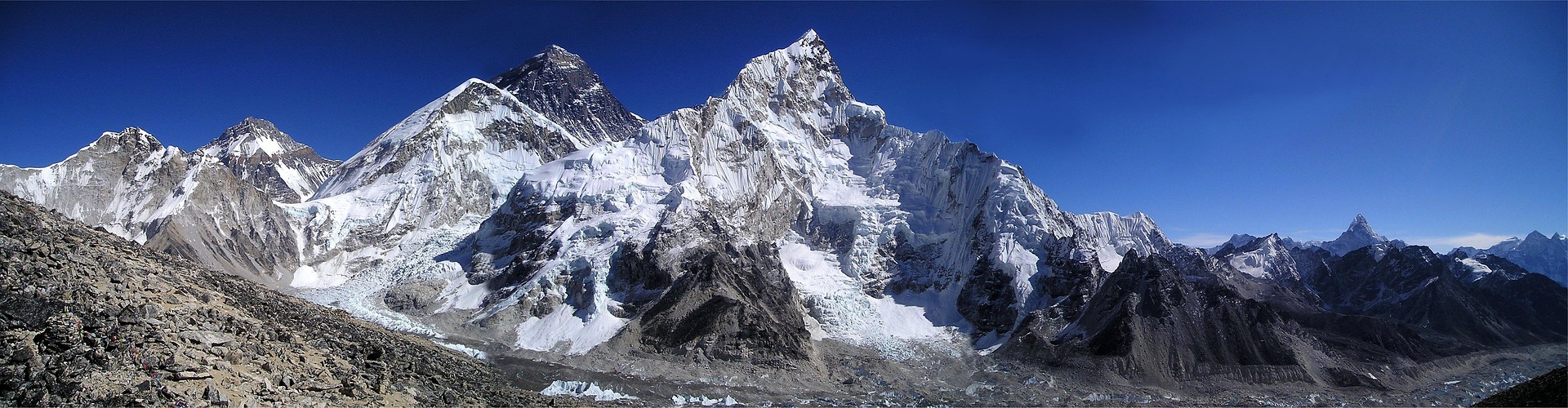
Mountains are some of the most awe-inspiring natural features on Earth. Towering above the landscapes below, they stand as timeless symbols of strength, endurance, and beauty. From the icy peaks of the Himalayas to the rugged terrain of the Andes, mountains not only offer breathtaking views but also play vital roles in shaping ecosystems, regulating climate, and supporting biodiversity.
In this article, we will explore the majestic mountains of the world, focusing on the highest peaks, their significance, and the challenges they present. We will dive into the wonder and allure of these natural giants, and discover why they continue to capture the imaginations of adventurers, scientists, and nature lovers alike.
The Role of Mountains in Earth’s Ecosystems
Mountains are far more than just stunning landscapes. They are ecological hubs that play crucial roles in the environment. They influence weather patterns, support unique ecosystems, provide fresh water, and are home to some of the most diverse and specialized species on the planet. Mountains are often described as “earth’s water towers” because they store vast amounts of freshwater in the form of glaciers and snow, which then feed rivers and lakes, providing water to millions of people.
Mountains also affect climate, as the elevation and the physical geography can alter wind and precipitation patterns. For instance, as moist air rises up a mountain range, it cools and condenses, often resulting in rainfall on the windward side of the mountain. The leeward side, however, tends to be much drier, creating what’s known as a rain shadow. This dramatic contrast between wet and dry regions leads to diverse and complex ecosystems.
Exploring the World’s Highest Peaks
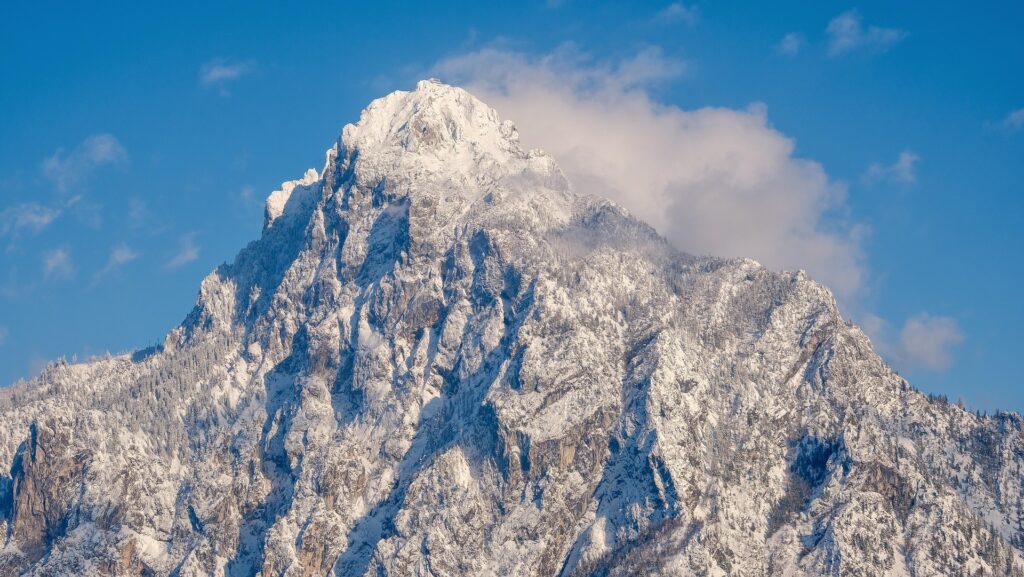
The highest mountains on Earth are not just physical feats but also cultural and spiritual icons. These towering giants have challenged explorers for centuries, with many mountaineers pushing their limits to conquer their summits. Let’s explore the highest peaks on the planet, starting with the tallest, and delve into their unique characteristics.
1. Mount Everest – The Roof of the World (8,848.86 meters / 29,031.7 feet)
Mount Everest, located in the Himalayas on the border between Nepal and China (Tibet), is the world’s highest peak. Standing at 8,848.86 meters (29,031.7 feet) above sea level, Everest has long been regarded as the ultimate mountaineering challenge. The mountain’s awe-inspiring height and the physical and psychological demands required to reach its summit have made it a coveted destination for climbers from around the globe.
The first successful ascent of Everest was made by Sir Edmund Hillary of New Zealand and Tenzing Norgay, a Sherpa of Nepal, on May 29, 1953. Since then, Everest has attracted thousands of climbers, although it remains a dangerous challenge due to extreme weather conditions, altitude sickness, and the technical difficulties of the climb. Despite the risks, Everest continues to be one of the most significant landmarks in both mountaineering history and global geography.
2. K2 – The Savage Mountain (8,611 meters / 28,251 feet)
K2, often referred to as “The Savage Mountain,” is the second-highest mountain in the world. Located on the border between Pakistan and China in the Karakoram range, K2 rises to 8,611 meters (28,251 feet). While not as tall as Everest, K2 is often considered more difficult and dangerous to climb due to its steepness, unpredictable weather, and technical challenges.
The first successful summit of K2 was achieved in 1954 by an Italian team, but the mountain’s reputation for being particularly unforgiving has led to a much lower success rate than Everest. It is known for its extreme weather conditions, including high winds and constant ice and snow, which make climbing K2 particularly perilous.
Despite its deadly reputation, K2 continues to be a sought-after peak for serious mountaineers, with climbers drawn to its unparalleled beauty and immense challenge. K2’s remote location and lack of established climbing routes make it one of the most elusive peaks for mountaineering enthusiasts.
3. Kangchenjunga – The Guardian of the Eastern Himalayas (8,586 meters / 28,169 feet)
Kangchenjunga, located on the border between Nepal and India, is the third-highest mountain in the world at 8,586 meters (28,169 feet). The mountain is considered sacred by the people of the region, and its name, which means “Five Treasures of Snow,” refers to the five major peaks that make up the mountain massif. Kangchenjunga has been a significant cultural symbol for the communities living in its shadow for centuries.
The first successful ascent of Kangchenjunga was made by Joe Brown and George Band in 1955, but the summit was never fully reached by early climbers due to the tradition of leaving the top untouched as a mark of respect to the mountain’s spiritual significance. Though challenging, Kangchenjunga has seen fewer attempts than Everest or K2, making it a more tranquil yet dangerous climbing experience.
4. Lhotse – The Neighbor of Everest (8,516 meters / 27,940 feet)
Located near Mount Everest, Lhotse is often considered Everest’s “sister” peak. At 8,516 meters (27,940 feet), Lhotse is the fourth-highest mountain in the world. The mountain shares much of its route with Everest, and climbers often ascend Lhotse during their expeditions to Everest. However, Lhotse presents its own unique challenges, with steep slopes and narrow ridges that make it a dangerous climb in its own right.
The first successful summit of Lhotse was made by Ernst Schmied and Fredrik Fuchs in 1956. Lhotse’s proximity to Everest means that climbers often face the same altitude-related challenges, including the risk of altitude sickness, extreme cold, and the ever-present danger of avalanches. Despite these dangers, Lhotse attracts climbers looking for a challenging yet somewhat less crowded peak than Everest.
5. Makalu – The Great Black (8,485 meters / 27,838 feet)
Makalu is the fifth-highest mountain in the world, standing at 8,485 meters (27,838 feet). Located in the Mahalangur range of the Nepal Himalayas, Makalu is known for its pyramid-shaped summit and steep slopes. The mountain was first summited in 1955 by an American expedition, and since then, it has remained a popular but challenging peak for mountaineers.
Makalu is one of the most isolated of the highest peaks, and its remote location and the challenging terrain make it a much less crowded climb than Everest or K2. The difficulty of the climb, combined with the spectacular views of neighboring mountains like Everest and Lhotse, makes it a favorite among experienced climbers.
Why Do People Climb Mountains?
Climbing the world’s highest peaks is not just a physical challenge but also a mental and emotional journey. For many mountaineers, the pursuit of climbing is driven by a combination of adventure, personal growth, and the desire to connect with nature on a profound level. The extreme conditions, isolation, and dangers of high-altitude climbing can be intense, but the sense of accomplishment upon reaching the summit is unparalleled.
Mountaineering also provides valuable lessons in resilience, determination, and teamwork. Many of the world’s highest peaks require climbers to rely on each other, with teams of sherpas, guides, and fellow climbers working together to ensure the safety and success of the expedition.
Moreover, the desire to climb mountains often stems from the need to connect with nature in its rawest form. The beauty of towering peaks, the challenge of overcoming obstacles, and the sense of being small in the vastness of nature are experiences that leave climbers with a deeper understanding of the natural world and their place within it.
Conclusion: The Call of the Mountains
Mountains are more than just natural wonders; they are symbols of human achievement, endurance, and the pursuit of greatness. Whether it’s standing on the summit of Mount Everest, looking out over the vast expanse of the Himalayas, or staring into the endless beauty of the Andes, mountains offer some of the most spectacular and life-changing experiences on Earth. Climbing the world’s highest peaks is not for the faint of heart, but for those who are determined and brave, the rewards are immeasurable.
As we continue to explore and admire these natural giants, it is crucial that we respect and protect the environments that make these mountains so special. By preserving these magnificent peaks, we ensure that future generations can continue to experience the wonder, awe, and challenges they provide.
Frequently Asked Questions (FAQ)
1. What is the tallest mountain in the world?
The tallest mountain in the world is Mount Everest, located in the Himalayas, standing at 8,848.86 meters (29,031.7 feet).
2. Why is K2 called “The Savage Mountain”?
K2 is known as “The Savage Mountain” because of its extreme difficulty to climb, with harsh weather conditions, steep terrain, and high fatality rates among climbers.
3. How many people have climbed Mount Everest?
As of recent years, thousands of climbers have successfully reached the summit of Mount Everest. However, it is still considered a dangerous climb, with more than 300 climbers having died attempting to reach the summit.
4. What makes climbing Makalu so difficult?
Makalu is one of the most challenging mountains to climb due to its steep slopes, technical terrain, and the extreme conditions at high altitude. It requires a high level of mountaineering skill and physical endurance.
5. Why are mountains important to the environment?
Mountains play a critical role in regulating climate, water cycles, and ecosystems. They provide freshwater to millions of people, support diverse species, and influence weather patterns. They also act as “natural barriers” and protect the environment from harsh winds and extreme temperatures.
6. How do mountains affect global weather patterns?
Mountains influence global weather by affecting the flow of winds and the distribution of moisture. As air rises over mountains, it cools and condenses, causing precipitation on the windward side and creating dry conditions on the leeward side. This contributes to diverse ecosystems and climates around the world.